Cold hands can make a winter ride uncomfortable—and can reduce your grip and control when conditions get difficult. The right winter cycling gloves balance insulation with enough dexterity for braking, shifting, and touchscreen use.
We selected 10 options covering lightweight liners, padded thermal gloves, waterproof designs, reflective details, and deep-winter lobster styles. Use the guide below to narrow your choice by weather, fit, and riding style.
Best 10 Winter Cycling Gloves Picks for 2026
Best Lightweight Pick
Souke Sports Winter Cycling Gloves

- Lightweight fleece warmth for 45°F–60°F rides
- 5mm padding with silicone bar grip
- Touchscreen-ready with wind-resistant back
Best For: Cool-weather commuting, MTB, and daily rides
Best Windproof Cycling Fit
GripGrab Ride Winter Cycling Gloves
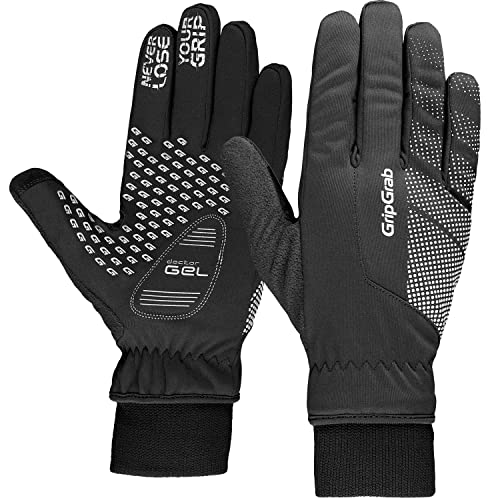
- Windproof and breathable thermal construction
- 4mm DoctorGel padding reduces hand strain
- Extended cuff blocks drafts at the wrist
Best For: Road, gravel, and MTB riders needing wind protection
Best for Freezing-Weather Versatility
ihuan Winter Ski Gloves for Cycling

- Fleece-lined warmth for about 20°F–32°F
- Water-resistant shell with adjustable cuff
- Touchscreen fingertips and grippy palm
Best For: Cold-weather cycling and general outdoor activities
Best Visibility Features
INBIKE Thermal Gel Bike Gloves

- Reflective details for low-light riding
- Gel padding helps absorb road shock
- Windproof fleece lining with touchscreen fingertips
Best For: Nighttime, early-morning, and rough-surface rides
Everyday Warmth Pick
3-Layer Touchscreen Winter Gloves
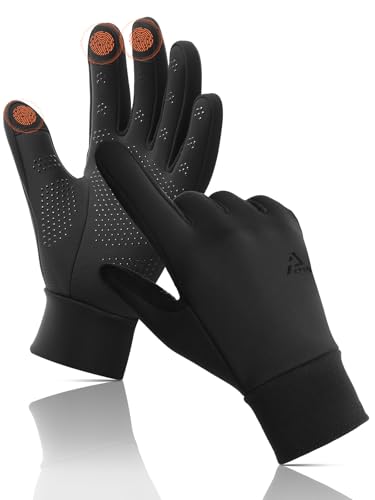
- Warm fleece-lined three-layer construction
- Touchscreen thumb, index, and middle fingers
- Best for cool, dry-to-lightly-wet outings
Best For: Commuting and casual cycling in 32–50°F weather
Deep-Cold Control Pick
GripGrab Lobster Cycling Gloves

- Windproof, insulated, fleece-lined construction
- Padded palm for rough winter roads and trails
- Lobster split supports braking and shifting
Best For: Dedicated deep-winter road and MTB cycling
Long-Ride Comfort Pick
Hikenture Padded Thermal Bike Gloves
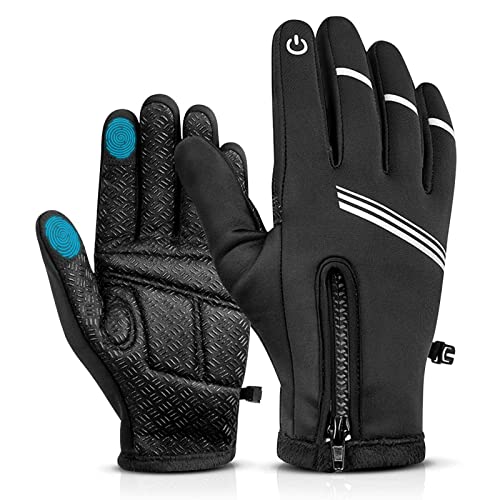
- 4 mm palm padding helps absorb road vibration
- Extended cuff and adjustable waterproof zipper
- Touchscreen-compatible thumb and index fingers
Best For: Longer cold-weather rides and commutes
Best Overall Protection
MOREOK Waterproof Winter Cycling Gloves

- 200g 3M Thinsulate insulation
- Waterproof TPU membrane with extended cuffs
- Touchscreen fingers and anti-slip palm
Best For: Cold-weather cycling and wet outdoor conditions
Best for Bike Control
INBIKE Thermal Gel Padded Cycling Gloves
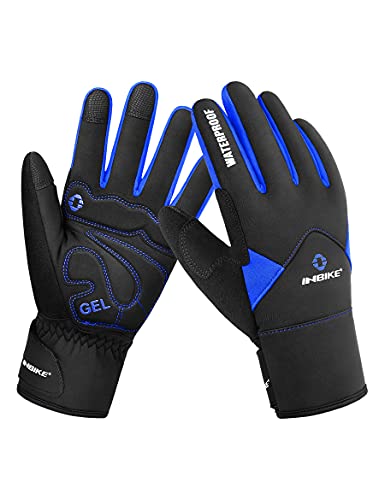
- Gel padding absorbs handlebar vibration
- Reflective details improve visibility
- Thermal lining with touchscreen fingertips
Best For: Winter rides where comfort and visibility matter
Best Simple Pick
Deemii 3M Thinsulate Winter Gloves

- Lightweight 3M C40 insulation
- Touchscreen fingertips and silicone grip
- Water-resistant shell for light moisture
Best For: Everyday commuting and active winter use
Best Lightweight Pick – Souke Sports Winter Cycling Gloves
For riders seeking winter cycling gloves without the bulk, the Souke Sports model combines lightweight fleece warmth with a windproof back and breathable palm. It is designed for chilly rides around 45°F–60°F and includes padding, grip features, and touchscreen support.
Best For: Daily commuting, MTB, and active rides in cool—not deeply freezing—conditions.
Pros:
- Lightweight fleece insulation helps warm hands without excessive bulk.
- 5mm foam padding and a three-piece palm help reduce vibration and bunching.
- Silicone palm grip, touchscreen fingertips, and reflective details support practical riding.
- Windproof back helps block cold wind and repel light rain or snow.
Cons:
- Its stated comfort range is roughly 45°F–60°F, so it may not suit freezing-weather rides.
- The gloves are water resistant rather than fully waterproof.
This is a versatile choice when you want padding and weather protection while preserving finger mobility. For colder conditions, a more heavily insulated glove may be preferable.
Best Windproof Cycling Fit – GripGrab Ride Winter Cycling Gloves
The GripGrab Ride is a close-fitting option among winter cycling gloves, pairing a windproof, breathable construction with 4mm DoctorGel padding. Its elongated knitted cuff helps cover the gap between the glove and a cycling jacket or jersey.
Best For: Road, mountain, and gravel cyclists who prioritize wind protection and padded comfort.
Pros:
- 100% windproof construction helps shield hands from cold air.
- 4mm DoctorGel padding is designed to reduce hand strain and vibration.
- Breathable materials allow excess heat to dissipate during riding.
- Soft sweat-wiper thumb and extended cuff add practical comfort.
Cons:
- The tight performance fit may require sizing up from summer cycling gloves.
- The supplied notes do not identify touchscreen functionality or waterproofing.
Choose this pair when wind resistance and a secure cycling-specific fit matter most. Pay close attention to sizing, since the snug construction is intentional.
Best for Freezing-Weather Versatility – ihuan Winter Ski Gloves for Cycling
ihuan Winter Waterproof Ski Gloves Men Women, Snow Warm Cycling Cold Weather, Driving Biking Running
Check Price On AmazonThese ihuan winter gloves offer more cold-weather insulation than lightweight cycling gloves, with a fleece lining, wind-resistant outer fabric, and adjustable cuff. They are rated for approximately 20°F–32°F and can also be used for driving, running, hiking, and other outdoor activities.
Best For: Cold-weather cycling and everyday outdoor use in snow or light rain.
Pros:
- Soft fleece lining and windproof design target temperatures around 20°F–32°F.
- Water-resistant outer fabric helps keep hands dry in light rain or snow.
- Microfiber leather palm improves grip and abrasion resistance.
- Conductive fabric supports touchscreen use without removing the gloves.
Cons:
- The wrist cuffs are not waterproof, so heavy rain and submersion should be avoided.
- Hand washing and air drying are recommended instead of machine drying.
- The thicker winter design may feel less cycling-specific than padded bike gloves.
This is a practical pick if you need one warm pair for cycling and general winter chores. Its water resistance is useful, but the exposed cuff area requires care in wet conditions.
Best Visibility Features – INBIKE Thermal Gel Bike Gloves
The INBIKE thermal bike gloves combine a thickened fleece lining and windproof shell with gel padding, reflective elements, and an adjustable wrist closure. They are built for winter cycling when visibility, bar control, and shock absorption are priorities.
Best For: Early-morning or nighttime winter rides on roads and rugged terrain.
Pros:
- Fleece lining, windproof outer shell, and lengthened wrist help retain warmth.
- Gel padding is designed to absorb road shock and reduce hand fatigue.
- Reflective elements improve visibility in low-light conditions.
- Conductive thumb and index fingertips support smartphone and GPS use.
Cons:
- Hand-wash-only care is less convenient than machine-washable alternatives.
- The supplied notes do not specify a temperature range or waterproof rating.
- Hook-and-loop closure may be less streamlined than a simple elastic cuff.
For riders who regularly face darkness or rough surfaces, the combination of reflective detailing and gel padding is compelling. Consider another model if a defined waterproof rating is essential.
Everyday Warmth Pick – 3-Layer Touchscreen Winter Gloves
For everyday winter cycling gloves, this three-layer pair balances warmth, flexibility, and phone access. The fleece interior and wind-blocking mid-layer suit cool outings from 32–50°F, while the water-repellent exterior helps handle light road spray.
Best For: Commuting, casual cycling, running, hiking, and driving in cool winter weather.
Pros:
- 320 gsm fleece and a wind-blocking mid-layer provide warmth without excessive bulk.
- Conductive thumb, index, and middle fingers support touchscreen use.
- Silicone palm improves grip, while four-way stretch supports a close, flexible fit.
- Includes one-year manufacturer quality support.
Cons:
- For temperatures below 25°F, the notes recommend adding a shell for extended outings.
- Water-repellent rather than fully waterproof; steady rain or snow calls for an outer shell.
- Listed size is Men’s S/Women’s M-L, so sizing options may be limited.
This is a practical choice when you want versatile winter cycling gloves for cool-weather rides and daily outdoor use. Riders facing deep cold or prolonged wet conditions should plan on layering.
Deep-Cold Control Pick – GripGrab Lobster Cycling Gloves
These winter cycling gloves are built for riders who prioritize insulation, handlebar control, and comfort on rougher winter routes. Their lobster-style three-finger layout separates the forefinger for easier braking and shifting while keeping the remaining fingers together for warmth.
Best For: Deep-winter road and mountain biking where warmth, padding, and lever control matter.
Pros:
- Windproof softshell, thermal insulation, and fleece lining provide deep-winter protection.
- Padded palms add comfort on rough roads and trails.
- Separated forefinger supports braking and shifting on road and MTB controls.
- Silicone palm and fingertip print improves grip, while the material offers 15K breathability.
Cons:
- The three-finger lobster design may feel less natural than conventional five-finger gloves.
- Only Large is specified in the supplied details.
- Designed specifically for cycling, so it is less versatile for general outdoor use.
Choose this pair when winter riding performance is more important than all-purpose versatility. The combination of insulation, padding, breathability, and a cycling-specific finger split makes it the most specialized option here.
Long-Ride Comfort Pick – Hikenture Padded Thermal Bike Gloves
Hikenture’s winter cycling gloves combine thermal fleece, water-resistant construction, and substantial palm padding for chilly rides. The extended cuff and adjustable waterproof zipper help seal in warmth, while touchscreen fabric keeps navigation and phone use convenient.
Best For: Longer winter rides and commutes where vibration cushioning, cuff coverage, and adjustable fit are useful.
Pros:
- 4 mm full-palm padding helps absorb road vibration and reduce hand fatigue.
- Water-resistant, windproof fabric and a fleece lining provide cold-weather protection.
- Lengthened cuff and adjustable waterproof zipper support a snug, warmer fit.
- Conductive thumb and index fingers work with phones, watches, GPS devices, and tablets.
Cons:
- Water resistance is intended for snow and light rain rather than prolonged wet conditions.
- Full-palm padding may feel bulkier than lightweight liner-style gloves.
- Fit depends on measuring palm width carefully across the five available sizes.
This is a strong practical option for riders who experience hand fatigue or want more coverage around the wrist. Its padding and fitted closure favor comfort and control on longer rides, while touchscreen support adds commuting convenience.
Best Overall Protection – MOREOK Waterproof Winter Cycling Gloves
For riders who need serious coverage in cold, wet conditions, these winter cycling gloves combine 200g 3M Thinsulate insulation with a TPU waterproof membrane. The extended cuffs, adjustable wrist closure, and grippy palm make them a practical choice when warmth and weather protection matter most.
Best For: Cold-weather cycling, skiing, motorcycling, and other outdoor activities where waterproofing and insulation are priorities.
Pros:
- 200g 3M Thinsulate insulation helps retain warmth, including in damp conditions.
- Waterproof, breathable TPU membrane and extended cuffs help block moisture, wind, and snow.
- Touchscreen-compatible thumb and finger areas support device use without removing the gloves.
- Anti-slip nitrile palm improves grip, while the terry-cloth thumb can wipe snow or fog.
Cons:
- The fitted design may feel snug, so checking the size chart is important.
- Hand-wash care is required.
These are the strongest all-around option here for riders facing genuinely harsh winter weather. They are bulkier and more protection-focused than lightweight commuting gloves, but the insulation and weather sealing make that trade-off worthwhile.
Best for Bike Control – INBIKE Thermal Gel Padded Cycling Gloves
These winter cycling gloves focus on comfort and control, pairing a polar-fleece thermal lining with gel palm padding. Reflective details and a windproof, waterproof design also make them useful for riders who commute or train in low-light winter conditions.
Best For: Cyclists who want vibration absorption, a secure handlebar grip, and added visibility on winter rides.
Pros:
- Gel padding helps absorb vibration and enhance grip on the handlebars.
- Polar-fleece thermal lining provides warmth and comfort.
- Reflective elements increase visibility while cycling, skiing, or skateboarding.
- Touchscreen fingertips allow operation of phones and other devices.
Cons:
- The listed design is more cycling-specific and may be less versatile than general-purpose winter gloves.
- Hand-wash care is required.
Choose the INBIKE when handlebar comfort and visibility are more important than maximum insulation. Its gel padding gives it a clear advantage for longer rides or rougher surfaces, while the hook-and-loop wrist closure helps keep cold air out.
Best Simple Pick – Deemii 3M Thinsulate Winter Gloves
For everyday rides and active use, these lightweight winter cycling gloves use 3M C40 insulation, a soft fleece lining, and a stretchable PU outer to balance warmth with finger mobility. Their water-resistant—not waterproof—construction suits light rain, snow, and road spray rather than prolonged wet exposure.
Best For: Lightweight winter cycling, commuting, running, driving, and other activities requiring dexterity.
Pros:
- 3M C40 insulation provides warmth while maintaining a lightweight feel.
- Stretchable construction and fleece lining support comfortable finger movement.
- Touchscreen thumb and index fingertips simplify phone use.
- Silicone grip stripes, elastic cuffs, and a reflective logo add practical riding features.
Cons:
- They are water-resistant, not waterproof, and are not intended for heavy rain or immersion.
- They may provide less extreme-weather protection than heavily insulated ski-style gloves.
This is the most convenient pick for riders who dislike bulky gloves and need usable dexterity. The water-resistant shell handles everyday winter conditions, but choose a more fully waterproof model for sustained rain or wet snow.
How We Picked the Best Winter Cycling Gloves
We compared the selected gloves by the features that matter most on a bike: insulation, wind and water resistance, palm padding, grip, touchscreen compatibility, cuff coverage, visibility, and reported cold-weather versatility. We also considered the trade-off between warmth and dexterity, since a very thick glove may protect better in freezing weather but feel less precise on brake levers and shifters.
Because winter conditions vary widely, this list includes both general-purpose gloves for cool commutes and more protective options for wet, windy, or below-freezing rides. Product claims such as temperature ratings and waterproofing should be treated as helpful guidance rather than guarantees; fit, activity level, and wind exposure affect real-world warmth.
Quick Comparison
| Best for | Look for | Typical trade-off |
|---|---|---|
| Cool-weather commuting | Light thermal insulation and padded palms | Less protection in severe cold |
| Rain and wet roads | Water-resistant or waterproof shell and covered seams | Reduced breathability or dexterity |
| Freezing temperatures | Thicker insulation, long cuffs, and windproof construction | Bulkier fit |
| Maximum handlebar control | Flexible materials, pre-curved fingers, and secure grip panels | Usually less insulation |
| Visibility and convenience | Reflective accents and touchscreen fingertips | Features may not replace dedicated safety lights |
Key Buying Factors for Winter Cycling Gloves
Warmth and Insulation
Choose lightweight thermal gloves for active rides in cool conditions and thicker insulation for slow commutes, exposed routes, or temperatures near freezing. Lobster-style three-finger designs can preserve warmth while keeping braking and shifting more manageable than fully separated bulky fingers.
Wind and Water Protection
Windproof fabric is often more important than a high temperature claim because moving air quickly strips heat from your hands. For rain, snow, or slushy roads, prioritize a water-resistant or waterproof outer layer, but check whether the glove is designed for sustained moisture or only light splashes.
Fit, Dexterity, and Grip
Gloves should fit snugly without compressing your fingers. Excess space creates cold spots, while a tight fit can restrict circulation. Look for articulated fingers, silicone or textured palm sections, and padding positioned under the areas that contact the handlebar.
Cuffs and Everyday Features
A longer cuff helps prevent gaps between the glove and jacket sleeve. Touchscreen fingertips are useful for navigation or calls, while reflective details improve visibility but should supplement lights and reflective clothing rather than replace them.
Who Should Buy Which Winter Cycling Gloves?
For regular commuters in cool, dry weather, choose a moderately insulated padded glove with touchscreen fingertips and a flexible palm. Riders facing frequent rain should prioritize weather protection and a secure cuff, even if the glove feels slightly less breathable. For freezing temperatures or long, low-intensity rides, select the warmest design that still allows confident braking and shifting; a lobster glove may be the best compromise.
If you mainly need a backup layer for variable conditions, a lightweight thermal liner is easier to pack and can be worn alone or under a shell. Mountain bikers and riders on rough roads may benefit most from substantial palm padding and a strong grip, while early-morning road cyclists may prefer slimmer gloves with better dexterity and reflective accents.
Related Posts:

