Apartment workouts can get noisy fast, especially with treadmills, bikes, weights, and high-impact movement. The right flooring helps reduce vibration, soften impact, and protect both your equipment and your subfloor.
This roundup highlights practical options for different spaces and budgets, from dense rubber-top tiles to puzzle mats and equipment pads.
Best 10 Apartment Gym Flooring for Noise Reduction Picks for 2026
Apartment-Friendly Noise Shield
Foldable High-Density Walking Pad Mat

- Shock-absorbing PVC helps reduce vibration and noise.
- Foldable format stores easily in small spaces.
- Textured non-slip surface supports stable equipment placement.
Best For: Small apartment cardio setups that need portable floor protection and quieter workouts.
Modular Cushion Flooring
18-Piece EVA Puzzle Exercise Mat

- Interlocking EVA tiles create a cushioned workout surface.
- Water-resistant and easy to wipe clean.
- Modular layout is simple to assemble, move, or store.
Best For: Compact apartment gym zones that need flexible cushioning and floor protection.
Acoustic Floor Tiles
Thick Sound Absorbing Interlocking Mats

- Dense felt construction is built for sound absorption.
- Helps reduce vibration, echo, and floor abrasion.
- Interlocking tiles can be cut and secured for custom installs.
Best For: Noise-sensitive apartment rooms that need the strongest sound-dampening flooring.
Compact Equipment Pads
Rubber and EVA Noise-Reducing Squares

- Two-layer rubber and EVA build improves shock absorption.
- Small format fits under equipment legs and tight spaces.
- Textured bottom helps keep pads from slipping.
Best For: Tiny apartment setups that need targeted vibration control under machine contact points.
Heavy Lift Quiet Floor

- Dual-layer design adds cushioning and durability.
- Foam base helps reduce vibration and workout noise.
- Textured rubber top improves traction for training.
Best For: Apartment or home gyms that need a tougher, quieter floor for workouts and weights.
Machine Base Dampers

- High-density rubber helps stabilize equipment.
- Designed to dampen vibration from machines.
- Compact size fits under individual legs or feet.
Best For: Small apartments and tight setups needing machine-specific vibration control.
Hybrid Shock-Absorbing Floor
VEVOR 0.56Inch Rubber Top Gym Flooring

- Rubber top and EVA foam add grip and cushioning.
- Built to help reduce workout noise upstairs.
- Covers 100 sq. ft. with included borders.
Best For: Apartment workouts needing a tougher, noise-reducing floor
Quiet Comfort Tiles
24-Pack Felt Soundproof Puzzle Mats

- High-density felt helps absorb ambient noise.
- Soft surface feels warmer than rubber or foam.
- Interlocking tiles can be trimmed for custom fits.
Best For: Light apartment workouts and multiuse rooms
Heavy-Duty Quiet Shield
AIRHOP 1-Inch Rubber Top Gym Flooring
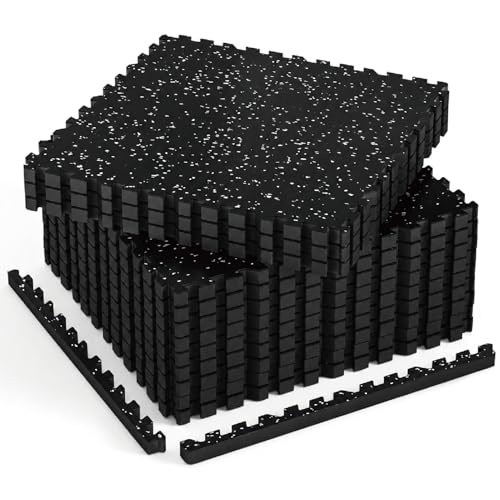
- 1-inch dual-layer build cushions impact and vibration.
- Made for quieter workouts in apartments or basements.
- Textured rubber top adds grip and durability.
Best For: Higher-impact apartment training and vibration control
Apartment-Friendly Noise Shield – Foldable High-Density Walking Pad Mat
If you need apartment gym flooring for noise reduction, this foldable PVC mat is built to soften vibration from compact cardio equipment while protecting hardwood or carpet from dents and scratches. Its 1/4-inch thickness, shock-absorbing construction, and textured non-slip surface make it a practical pick for treadmills, bikes, ellipticals, and other home fitness machines.
Best For: Apartment workouts with treadmills, walking pads, spin bikes, and other equipment that needs floor protection plus quieter operation.
Pros:
- Industrial-grade PVC construction with a shock-absorbing layer helps reduce equipment vibration and noise.
- Foldable design packs down small for closets, cars, or tight apartment storage.
- Textured, non-slip surface helps keep equipment stable during use.
- Waterproof and easy to wipe clean after sweat or spills.
Cons:
- Single-mat coverage is best for smaller equipment footprints rather than full-room flooring.
- At 0.24 inches thick, it is more of a protective pad than a heavily cushioned workout floor.
For renters or apartment users who want a simple under-equipment solution, this mat focuses on the essentials: protection, stability, and a noticeable reduction in vibration transfer. It is especially appealing if you want something portable without giving up durability.
Modular Cushion Flooring – 18-Piece EVA Puzzle Exercise Mat
For apartment gym flooring for noise reduction, this interlocking EVA foam set gives you a cushioned surface that helps soften impact while protecting floors from scratches and scuffs. The 0.4-inch tiles are easy to connect, rearrange, and store, making them a flexible choice for home exercise areas where comfort and cleanup both matter.
Best For: Creating a small modular workout zone in an apartment, garage, or multipurpose room.
Pros:
- High-density EVA foam adds cushioning for joint support and impact protection.
- Interlocking tiles are quick to assemble, remove, or reconfigure without tools.
- Water-resistant surface wipes clean easily after sweat or light spills.
- 18 sq. ft. coverage works well for compact home gym layouts.
Cons:
- Coverage is limited if you need a larger full-room floor solution.
- Foam tiles are better for general exercise use than for extremely heavy equipment isolation.
This is a good pick if you want a softer underfoot feel along with basic noise and impact dampening in a compact space. It is especially useful when you need flooring that can be put down quickly and adjusted as your workout setup changes.
Acoustic Floor Tiles – Thick Sound Absorbing Interlocking Mats
If your priority is apartment gym flooring for noise reduction, this dense felt tile set is the most acoustics-focused option here. It is designed to absorb sound energy, reduce echo, and dampen vibration, which makes it useful not only under home gym gear but also in shared spaces where sound control matters.
Best For: Noise-sensitive rooms where sound absorption matters as much as floor protection, including home gyms, studios, and multipurpose apartments.
Pros:
- High-density polyester felt is engineered for sound absorption and vibration dampening.
- Interlocking design helps create a flat, stable surface with less shifting.
- Slip-resistant feel adds safety on hardwood floors.
- Can be cut to fit different spaces and comes with double-sided tape for installation.
Cons:
- More of an acoustic flooring solution than a classic cushioned gym mat.
- Best performance is tied to a careful install, especially if you cut pieces to fit.
This is the strongest choice for anyone trying to make a workout area quieter in an apartment or shared home. It balances floor protection with sound control better than standard foam or equipment pads, especially when used under noisier machines or in echo-prone rooms.
Compact Equipment Pads – Rubber and EVA Noise-Reducing Squares
For apartment gym flooring for noise reduction in very tight spaces, these small square pads work under equipment legs to cut vibration without using a full mat. The rubber-and-EVA two-layer design is meant to improve shock absorption and help keep treadmills, bikes, and other machines steadier on hardwood or carpet.
Best For: Small-footprint equipment setups where you only need targeted noise reduction under each contact point.
Pros:
- Two-layer rubber and EVA construction is designed for better shock absorption and noise reduction.
- Compact size makes them easy to place under legs or tight equipment gaps.
- Textured bottom helps resist sliding during workouts.
- Portable 4-piece pack stores neatly when not in use.
Cons:
- Does not provide full-room coverage like larger mats or tile systems.
- Best suited to equipment contact points rather than general exercise floor use.
These pads make sense when you want a low-profile, space-saving way to quiet down home equipment without cluttering the room. They are a practical choice for renters or shared living spaces where only the machine footprint needs protection.
Apartment Quiet Zone – Interlocking Sound-Absorbing Mats
If you’re looking for apartment gym flooring for noise reduction, this felt puzzle mat set is built to calm down impact noise from drums, treadmills, pedals, and other equipment. The high-density 0.4-inch felt is designed to absorb vibration before it travels through the floor, while the interlocking layout helps keep everything in place during use.
Best For: Apartments, shared studios, and multi-use rooms where you want to reduce vibration and echo without installing permanent flooring.
Pros:
- High-density felt helps absorb impact noise from gym gear and instruments.
- Interlocking puzzle design helps prevent mats and equipment from sliding.
- Can reduce room echo and ringing, not just floor vibration.
- Trim-to-fit design and stackable storage make it easy to customize.
Cons:
- Better suited to light-to-moderate equipment protection than heavy-duty lifting floors.
- Felt surface is more focused on sound absorption than rugged gym traction.
This is a practical pick if your main goal is cutting down noise complaints while keeping a clean, flexible setup. It works especially well when the space needs to serve both exercise and music practice.
Heavy Lift Quiet Floor – Rubber Top Gym Tiles
For apartment gym flooring for noise reduction with more of a strength-training focus, these 0.56-inch interlocking tiles pair a dense EVA foam core with a rubber top layer. That combination is meant to cushion impact, reduce vibration, and protect floors while still giving you a grippy surface for workouts.
Best For: Home gyms in apartments, garages, or fitness rooms that need a tougher floor for weights, treadmills, and general training.
Pros:
- Dual-layer build combines cushioning with a durable rubber surface.
- Shock-absorbing foam base helps minimize workout noise and vibration.
- Textured top adds traction for movements like landmine presses and deadlifts.
- Interlocking tiles with detachable borders create a cleaner custom layout.
Cons:
- Bulkier and more floor-covering oriented than small under-machine pads.
- Primarily designed for home gym use, so it may be more than needed for simple equipment isolation.
This is a strong all-around choice if you want a quieter training surface that can also handle heavier equipment. It offers more of a true gym flooring feel than a simple anti-vibration pad.
Machine Base Dampers – Compact Anti-Vibration Pads
If you only need apartment gym flooring for noise reduction under a machine, these compact rubber pads are a simple, space-saving option. The 0.5-inch high-density rubber is made to dampen vibration from treadmills, walking pads, and bikes while also protecting hardwood, tile, laminate, or carpet beneath.
Best For: Small apartments, second-floor rooms, and tight home gym setups where a full mat would be too large.
Pros:
- High-density rubber supports heavy equipment and helps prevent slipping.
- Shock-absorbing construction is aimed at reducing mechanical vibration.
- Small footprint makes placement under machine legs easy.
- Works with multiple machine types, including walking pads and stationary bikes.
Cons:
- Only covers the contact points, so it won’t quiet an entire workout area.
- Not a full-floor solution for users who want more cushioning underfoot.
This is the most targeted option in the group if your goal is to isolate one noisy machine. It’s a practical buy when you want a compact pad rather than a full flooring system.
Hybrid Shock-Absorbing Floor – VEVOR 0.56Inch Rubber Top Gym Flooring
If you want apartment gym flooring for noise reduction with a sturdier feel underfoot, this VEVOR interlocking set is built around a rubber top and EVA foam base. The 0.56-inch thickness is meant to cushion impact, improve grip, and help cut down on noise when you train upstairs or in shared living spaces.
Best For: Apartment workouts where you want a firmer, more durable mat that still helps reduce neighbor-disrupting noise.
Pros:
- Rubber top with EVA foam base offers grip plus shock absorption.
- Designed to reduce workout noise, including upstairs use.
- Wear- and scratch-resistant surface holds up to foot traffic.
- Includes 25 tiles and 50 borders for a finished 100 sq. ft. layout.
Cons:
- Heavier than softer foam-only tiles at 60.63 pounds total.
- Best suited to hard floors rather than being described for carpet use.
Overall, this is a practical pick if your priority is balancing noise control with a tougher surface for regular home training. The 2-in-1 construction makes it feel more substantial than basic foam mats while still staying easy to assemble and clean.
Quiet Comfort Tiles – 24-Pack Felt Soundproof Puzzle Mats
For apartment gym flooring for noise reduction with a softer, warmer feel, these carpet-style felt tiles are designed to absorb ambient noise and dampen vibrations. They work well when you want a quieter training area for light home gym use, while also protecting hardwood or other delicate flooring from scuffs.
Best For: Light workouts, yoga, Pilates, or multipurpose apartment spaces where sound absorption matters more than heavy-impact cushioning.
Pros:
- High-density polyester felt is made to absorb noise and vibrations.
- Helps protect hardwood floors from furniture, equipment, and pet claws.
- Soft, warm surface is more comfortable than cold rubber or EVA.
- Lightweight interlocking tiles can be cut to fit awkward spaces.
Cons:
- Only covers about 24 sq. ft., so larger rooms need multiple packs.
- Better for light home gym use than heavy-impact training.
This is a sensible choice if your apartment setup needs quiet underfoot comfort and floor protection more than maximum impact resistance. The felt build gives it a more rug-like feel, which makes it especially useful in rooms that double as offices, studios, or relaxation spaces.
Heavy-Duty Quiet Shield – AIRHOP 1-Inch Rubber Top Gym Flooring
If you need apartment gym flooring for noise reduction and expect a more intense routine, this AIRHOP set uses a 1-inch dual-layer build to soften impact and help control vibration. The rubber top and EVA foam base are designed for quiet workouts in apartments or basements while also protecting floors from dropped weights and regular training wear.
Best For: Higher-impact apartment workouts, including treadmills and plyometric training, where noise and vibration control are priorities.
Pros:
- 1-inch thickness provides strong cushioning and floor protection.
- Dual-layer rubber and EVA construction is engineered for noise reduction.
- Textured top improves traction during sweaty workouts.
- Interlocking design includes border strips for a cleaner finish.
Cons:
- Recommended mainly for hard surfaces rather than high-pile carpet.
- May have a slight scent at first and should be aired out before use.
Among the three options, this one is the most purpose-built for serious impact control in a shared building. It is a strong fit if you want a thicker, more protective mat that still aims to keep thuds and vibrations down.
How We Picked the Best Apartment Gym Flooring for Noise Reduction
For Apartment Gym Flooring for Noise Reduction, the best options balance sound dampening, floor protection, stability, and easy installation. We prioritized materials and constructions that help absorb vibration, stay put during movement, and work in small spaces without creating a major trip hazard.
We also considered thickness, density, water resistance, cleanup, compatibility with cardio equipment, and whether the flooring is better for full-room coverage or under-machine use.
Quick Comparison
In general, thicker rubber-top and high-density foam hybrids offer the best overall noise control for mixed workouts. Interlocking tiles are usually the most flexible choice for covering a room, while smaller pads are better for treadmills, walking pads, and bikes. Carpet-style puzzle mats can help with sound and comfort, but they may not be as durable under heavy equipment as rubberized options.
Key Buying Factors for Apartment Gym Flooring for Noise Reduction
Thickness and Density
Thickness helps absorb impact, but density matters just as much. A denser mat usually does a better job reducing vibration from cardio machines and weight drops than a soft but thin foam pad.
Surface Grip and Stability
Look for non-slip backing or textured surfaces so the floor stays in place on hardwood, laminate, or carpet. Stable flooring matters in apartments because shifting mats can make noise worse and create safety issues.
Equipment Type
For treadmills, bikes, and walking pads, smaller anti-vibration pads or machine mats can be enough. For dumbbells, HIIT, or full-body routines, interlocking tiles or larger gym flooring covers more area and handles repeated impact better.
Room Size and Layout
If you have a compact apartment, modular tiles make it easier to cover only the space you need. If you want a dedicated workout zone, choose a product that can expand as your setup grows.
Cleaning and Durability
Rubber and EVA foam are easier to wipe down than carpet-style mats and are often better for long-term use under sweaty workouts. If you need the quietest feel underfoot, consider how the surface texture affects maintenance and longevity.
Who Should Buy Which Apartment Gym Flooring for Noise Reduction?
Choose equipment pads if your main concern is treadmill or bike noise in a small apartment. Choose interlocking tiles if you want a more complete floor solution for mixed training. Choose thicker rubber-top flooring if you need a stronger all-around option for heavier use, better vibration control, and more durable daily performance.
If your top priority is minimizing disturbance to neighbors, focus on high-density materials, secure fit, and enough coverage for the movement style you use most often.
Related Posts: