Arm bikes can be a practical way for older adults to stay active without standing, balancing, or putting extra stress on joints. They’re especially useful for light cardio, rehab, and daily movement at home.
In this roundup, we focus on options that are easier to use, adjustable, and suitable for a range of strength levels, so you can find the right fit with confidence.
If you want arm bikes for seniors that can also support gentle leg movement, this Vaunn pedal exerciser is built for low-impact daily use. It offers a stable frame, quiet magnetic motion, and adjustable resistance, making it a practical choice for home therapy, light exercise, or use under a desk.
Best For: Seniors, rehab users, and anyone wanting a quiet under-desk exerciser for both arms and legs.
Pros:
Low-mounted flywheel and heavy-duty frame help reduce pedal bounce for smoother use.
Magnetic resistance offers 16 calibrated levels for gradual workout changes.
Quiet operation makes it suitable for meetings, TV time, or office use.
LCD display tracks speed, time, distance, and calories burned.
Cons:
Weighs 5.7 pounds, so it is portable but still best placed on a stable surface.
Designed for low-impact training rather than intense cardio.
This model stands out for users who want a controlled, quiet pedaling experience with a strong focus on comfort and stability. The foldable, portable design adds convenience for seniors and caregivers alike.
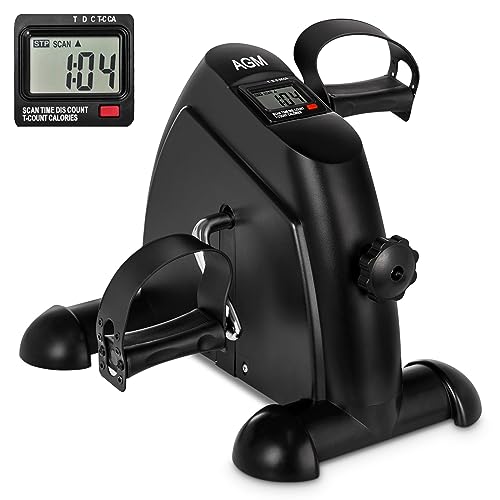
This folding option is a straightforward pick if you’re comparing arm bikes for seniors and want something simple to use right away. It supports low-intensity arm and leg cycling, with a tension knob for easy resistance changes and a compact foldable frame for storage.
Best For: Seniors, beginners, and post-surgery users who need a lightweight, no-setup exerciser.
Pros:
Designed for low-intensity arm and leg workouts, including mobility-focused use.
Arrives fully assembled and folds quickly for easy storage.
Lightweight, space-saving build is easy to move around the home.
Reinforced steel tubing and non-slip straps add stability during use.
Cons:
Manual resistance adjustment is simple, but less advanced than multi-level systems.
Best suited to gentle exercise rather than higher-effort training.
For seniors who want a practical exerciser without extra setup, this model keeps things simple. Its portability and foldable design make it a good fit for daily light use in small spaces.
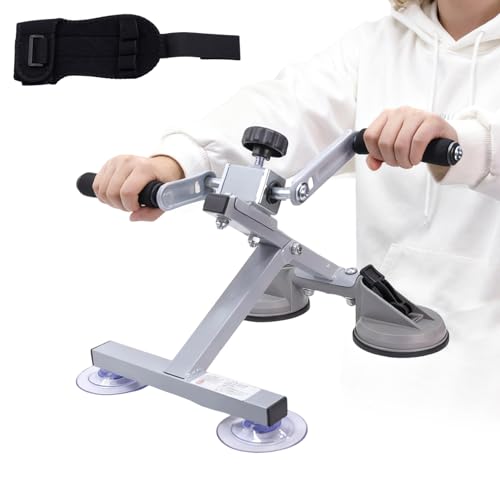
For shoppers specifically seeking arm bikes for seniors during recovery, this rehab-focused arm cycle is built around stability and controlled motion. It uses a suction base for grip on smooth surfaces and a tension knob for adjustable resistance, which makes it suitable for gentle therapy routines at home.
Best For: Seniors recovering from injury, surgery, or mobility loss who need a compact rehab arm bike.
Pros:
High-adhesion suction base helps keep the unit steady on smooth tabletops.
Adjustable resistance supports gentle mobilization through moderate strength work.
Quiet, jerk-free rotation is well suited to TV time or desk use.
No assembly required and lightweight design make it easy to move and store.
Cons:
Works best on smooth surfaces like glass, marble, or polished wood.
Primarily designed for rehabilitation rather than full-body exercise.
This is a focused therapy tool rather than a general fitness machine. Its stable base and smooth resistance make it a sensible option when comfort, control, and portability matter most.
If you want arm bikes for seniors that are easy to incorporate into daily routines, this Sunny Health & Fitness mini cycle is a strong all-around choice. It supports both arm and leg use, runs quietly with a belt-drive system, and includes stepless resistance adjustment for fine-tuning effort.
Best For: Seniors and adults who want a quiet, adjustable under-desk exerciser for arms and legs.
Pros:
2-in-1 design works for both arm and leg pedaling.
Stepless micro-adjustment and 16 resistance levels offer flexible intensity.
Quiet mesh belt-drive is well suited to home or office use.
Digital monitor tracks speed, time, distance, and calories burned.
Cons:
At 11.7 pounds, it is more substantial than ultra-light mini units.
Manual operation means users must adjust resistance themselves.
This model is a balanced pick for users who want quiet performance plus useful workout tracking. It is especially appealing if you want one machine that can support both seated arm work and light leg exercise.
If you’re comparing arm bikes for seniors, this desktop-clamp model stands out for stability and simple resistance control. It is designed to stay fixed to the table, making it a practical pick for seated upper-body exercise, rehab, or light daily movement at home.
Best For: Seniors who want a stable tabletop arm bike for gentle rehab or arm mobility work.
Pros:
Desktop clamp design helps keep the unit from sliding during use.
Adjustable resistance lets you choose easier rehab work or a tougher workout.
Ergonomic, sweat-resistant handles provide a comfortable grip.
Metal build and silicone pad add durability and desk protection.
Cons:
Only fits tabletops 0.4-1.95 inches thick.
Has just 2 resistance levels, so fine-tuning is limited.
Overall, this is a straightforward choice if steadiness matters most. It is especially useful for seniors focused on rehabilitation, circulation, or maintaining upper-body activity with a secure tabletop setup.
For shoppers looking at arm bikes for seniors, this compact pedal exerciser is a versatile option because it works for both arms and legs. It can sit on a tabletop for upper-body work or on the floor for seated leg movement, while the adjustable resistance and LCD readout make it easy to monitor basic workouts.
Best For: Seniors who want one compact exerciser for both arm and leg workouts.
Pros:
Can be used on a tabletop for arms or on the floor for legs.
LCD display shows time, speed, distance, and calories burned.
Cons:
Some users may need a chair with back support for better stability.
Higher resistance can make the motion feel rough.
Requires AAA battery power for the display.
This is a practical all-in-one pick if you want a small machine that fits under a desk and supports seated exercise. It is especially appealing for seniors who want simple tracking and the flexibility to train either arms or legs.
If your priority is rehabilitation-focused arm bikes for seniors, this portable hand bike offers three training modes for more flexible upper-body exercise. It is built for stroke recovery, post-surgery use, and daily shoulder or arm movement, with a lightweight frame that is easy to move and store.
Best For: Seniors who want a portable rehab-style arm bike with multiple training modes.
Pros:
Three modes support single-arm, bilateral, and standard cycling movement.
Oversized suction cups and anti-slip silicone pads help improve surface grip.
Lightweight design makes it easy to store or travel with.
Suitable for daily arm, shoulder, and wrist exercise.
Cons:
Suction-cup style mounting works best on smooth surfaces.
Assembly is required, even though a hex wrench is included.
This model is a strong fit for seniors who want more than a basic pedaler and need different training styles for rehab or maintenance. Its portable build and safety-focused base make it a useful option for home or office routines.
If you’re comparing arm bikes for seniors, this TABEKE pedal exerciser is a practical pick for simple seated movement at home or in the office. It arrives fully assembled, folds for storage, and uses a tension knob so you can keep resistance low for rehab or raise it for light strengthening. The LCD monitor also makes it easy to track basic workout data without adding complexity.
Best For: Seniors who want a lightweight, foldable exerciser for gentle arm and leg workouts.
Pros:
Fully assembled and easy to use right out of the box
Lightweight at 5 lbs with a foldable design for storage and transport
Adjustable resistance supports low-tension rehab or higher-intensity pedaling
LCD display tracks time, count, RPM, and calories burned
Cons:
Plastic construction may feel less robust than steel-frame options
Designed for low-impact seated exercise rather than intense training
Overall, this is a straightforward option if portability and ease of setup matter most. It fits the needs of seniors who want quiet, low-stress arm and leg movement while watching TV or relaxing.
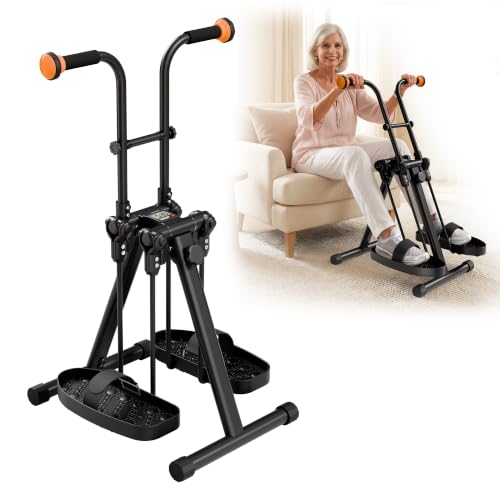
For shoppers focused on arm bikes for seniors, this RYGEO exerciser stands out because it adds handlebars for upper-body movement as well as pedals for the lower body. It’s built for gentle, low-stress exercise from a seated position, which makes it useful for people managing limited mobility, stiffness, or recovery routines. The four-movement option also gives it more versatility than a basic pedal-only unit.
Best For: Seniors and rehab users who want coordinated arm and leg exercise from one seated machine.
Pros:
Handbars let you work arms, hands, and upper body
Pedaling supports gentle leg, knee, and hip movement
Four-movement option adds back-and-forth or left-right motion
LCD monitor tracks time, distance, swing count, total swings, and calories
Cons:
Manual operation means there’s no powered assistance
As a rehab-style trainer, it’s aimed at gentle movement rather than high-intensity workouts
This is a strong choice if you want one seated machine that can involve the arms more directly. The steel tubing and corner-foot design also suggest a stability-first build for home use.
This pedal exerciser is a simple option for buyers searching for arm bikes for seniors that can support both upper and lower limb movement. It’s designed for seated home exercise, with cross-body motion and lateral lower-limb wobble aimed at gentle, low-impact activity. The built-in LCD monitor keeps the basics visible, so it stays easy to use day to day.
Best For: Seniors who want a basic seated exerciser for gentle arm and leg movement at home.
Pros:
Supports cross-body upper- and lower-limb exercise
Low-impact motion is suited to recovery, flexibility, and circulation support
LCD screen tracks time, distance, swing count, total swings, and calories
Steel tubing and corner feet help provide stable support
Cons:
Uses a AAA battery for the display, so there is a small ongoing power need
Warranty is shorter than some alternatives at 6 months
Overall, this model keeps the feature set focused on easy seated exercise rather than extras. It makes sense if you want a straightforward total-body trainer for steady, low-stress use at home.
We looked for models that are senior-friendly first: stable designs, simple controls, adjustable resistance, and seating-friendly use. We also prioritized compact machines that work in small spaces and devices that support both arm and leg exercise for more versatility.
Quick Comparison
When comparing Arm Bikes for Seniors, the biggest differences usually come down to resistance range, setup effort, size, and how securely the unit stays in place during use. Rehab-oriented models tend to offer smoother, more controlled motion, while under-desk or foldable units often emphasize portability and general fitness.
Key Buying Factors for Arm Bikes for Seniors
Resistance and Range of Motion
Look for adjustable resistance that starts low and increases gradually. Seniors recovering from injury or just beginning exercise usually benefit from smoother, lighter pedaling and a comfortable motion path for shoulders, elbows, knees, and wrists.
Stability and Safety
A non-slip base, wide footprint, or clamp-style mounting can help reduce wobbling. This matters especially for users with limited grip strength or reduced balance. The more stable the unit feels, the easier it is to use consistently.
Ease of Setup and Use
Simple assembly, clear tension controls, and easy-to-read displays are all helpful. For many users, the best Arm Bikes for Seniors are the ones that do not require complicated setup before each workout.
Comfort and Accessibility
Check handle shape, pedal size, and whether the machine can be used from a chair, couch, or desk. If the goal is rehab, a comfortable seated position is more important than maximum workout intensity.
Size, Storage, and Portability
Compact or foldable designs are useful for apartments and homes with limited storage. If the exerciser will be moved often, weight and carry handles become important too.
Who Should Buy Which Arm Bikes for Seniors?
If you want gentle rehab support or shoulder mobility work, choose a model built for arm cycling with adjustable tension and a stable frame. If your goal is general movement throughout the day, a compact under-desk pedal exerciser may be the better fit. Seniors who want more total-body versatility should look for models that can handle both arm and leg workouts. The best choice depends on comfort, consistency, and how easy the unit is to use every day.