A commercial belt squat machine can deliver serious lower-body training without loading the spine the way back squats do. That makes it a smart choice for busy gyms, training studios, and serious home setups alike.
Below, we focus on models and belt-squat-compatible options that stand out for load rating, stability, ease of use, and value so you can choose the right setup with confidence.
Best 10 Commercial Belt Squat Machine Picks for 2026
If you want a commercial belt squat machine that reduces spinal loading while still letting you train legs hard, this Bells of Steel option is a strong pick. It combines an 11-gauge steel frame, 700 lb capacity, and included belt setup with useful band-pegs for more varied lower-body work.
Best For: Lifters who want a sturdy, lower-cost belt squat setup for home or garage gym leg training.
Pros:
11-gauge steel frame with a 700 lb capacity for serious loading
Includes a weightlifting belt, chain, and carabiners to get started quickly
Top and bottom pegs plus band pegs add exercise versatility
Helpful choice for squat-style training with less stress on the back and shoulders
Cons:
Not as compact as smaller home-gym leg accessories
Assembly and setup may take time in a garage gym
More specialized than a standard squat rack attachment
This commercial belt squat machine stands out for buyers who care more about heavy-duty construction and training flexibility than flashy extras. If your goal is to build a leg-focused station that can handle real weight, it offers a practical balance of strength, value, and versatility.
If you want a commercial belt squat machine alternative that’s easier to move and store, the Squat Box PRO is built around portability without giving up useful training capacity. Its built-in pulley, removable weight horns, and stabilizing handlebar make it a practical option for gyms that need flexibility.
Best For: Home gyms, garage gyms, and smaller training spaces that still want heavy belt squat loading and multi-exercise versatility.
Pros:
Portable, compact design is easier to store and transport than a fixed station.
Supports up to 270 lbs on the horns plus 70% of bodyweight for solid loading potential.
Built-in pulley system delivers smooth resistance through the lift.
Includes accessories for both upper- and lower-body training.
Cons:
Not as robust or permanent as a full-size commercial rack-mounted setup.
Weight capacity may be limiting for very heavy advanced lifters.
The Squat Box PRO is a smart pick if you need a commercial belt squat machine style workout in a more portable format. It’s especially appealing for users who value flexibility, lighter footprint, and multi-use training over a dedicated fixed installation.
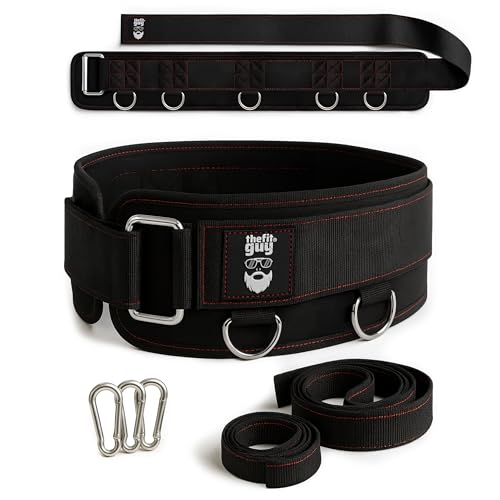
If you want a more adaptable setup for a commercial belt squat machine, this multi-attachment belt is built for cable-based squats, hip thrusts, and other lower-body work. The five connection points and included 40″ and 27″ straps make it easier to fine-tune weight distribution across different pulley machines and smart gyms.
Best For: Lifters who train on single or dual-pulley cable machines and want a versatile belt for squats and hip thrusts.
Pros:
Five attachment points help distribute load more evenly
Includes two strap lengths and three metal snap hooks
Compatible with many cable machines, including smart home gyms
Useful for both single-cable and 2-to-1 setups
Cons:
Not a dedicated dip belt if dips are your main goal
Fit depends on waist size and machine setup
For buyers comparing accessories for a commercial belt squat machine, this is a flexible cable-focused option rather than a heavy-duty standalone station. It makes the most sense if you already train on a pulley system and want better comfort and positioning for squats or hip thrusts.
If you want a commercial belt squat machine that shifts load off the spine and into the hips, this Titan Fitness unit is built for straightforward lower-body training. The 1,000 lb rating, plate-loaded design, and adjustable squat depth make it a practical fit for lifters who want a stable belt squat setup for home gyms or training rooms.
Best For: Lifters who need a heavy-duty belt squat machine for back-friendly leg training, controlled depth, and plate-loaded progressions.
Pros:
1,000 lb rating gives it strong headroom for heavy training.
Three stopper positions help you dial in squat depth and range of motion.
Diamond-plated footplate and sturdy handlebar improve footing and stability.
Built-in rear plate storage helps keep the area organized.
Cons:
Plate-loaded design means you’ll need weight plates to use it.
Its footprint and 225 lb machine weight make it less portable.
Assembly and setup may take more effort than simpler lower-body machines.
For buyers comparing a commercial belt squat machine, this Titan model stands out for raw capacity and practical features rather than compactness or convenience. It makes sense if your priority is stable, heavy lower-body work with back-friendly loading and simple plate-based progression.
If you want a belt that stays put on a commercial belt squat machine, THEFITGUY’s Ultimate Belt focuses on stable support and clean movement. The low-profile side straps are designed to stay out of the way, while the padded back and hip areas help keep the load comfortable through full reps.
Best For: Lifters who want a secure, no-slip belt that works well with belt squat machines, rack attachments, and lever arms.
Pros:
Low-profile straps help prevent bunching and riding up during deep squats
Reinforced 5-panel EVA back adds structured lumbar support under load
Metal buckle and inner strap aim to keep the fit locked in rep after rep
Built for belt squat setups, not just general lifting use
Cons:
May be more belt than casual gym-goers need
Maximum support-focused design can feel bulkier than minimalist belts
Best suited to belt squat training rather than all-purpose use
This is a practical pick if your commercial belt squat machine needs a belt that moves cleanly and supports heavier training without constant adjustment. It looks purpose-built for lifters who care more about stability and comfort than a stripped-down design.
If you want one compact setup that can support heavy lifting and add resistance work, this belt is a practical fit for a commercial belt squat machine workflow. It combines a supportive lifting belt, a steel chain, and a towel, so you can move between squats, deadlifts, dips, and pull-up work without extra accessories.
Best For: Lifters who want a multi-use belt setup for squats, deadlifts, dips, and weighted pull-ups in a home gym or commercial belt squat machine environment.
Pros:
Self-locking metal buckle helps keep the belt secure under load
Includes a 31.5-inch steel chain for weighted dip and pull-up work
Widened back panel adds core and lower-back support for heavy sets
Comes with a sweat-absorbent towel for cleaner between-set use
Cons:
Not a dedicated belt squat attachment or machine accessory
Best suited to users who want a belt-plus-chain system, not a simple single-purpose belt
Fit and comfort can depend on body shape and how tightly it is adjusted
This is a good pick if you want a versatile training belt that can do more than one job. For athletes building out a commercial belt squat machine setup, the added chain and secure lock make it more useful than a standard lifting belt alone.
If you want a commercial belt squat machine feel without paying for a full rack-based setup, the Mikolo model is built for heavy home-gym use. Its belt-squat design reduces spinal loading, while the 11-gauge steel frame and 1000 lb capacity make it a strong option for serious lower-body training.
Best For: Lifters who want a heavy-duty belt squat and leg machine for building quads, glutes, and hamstrings at home.
Pros:
11-gauge steel frame with a 1000 lb rated capacity
Belt-squat setup helps train legs with less back stress
Built-in plate storage keeps a home gym more organized
Multiple stop positions and gritted pedals improve safety
Cons:
Large footprint may be too big for compact rooms
Requires weight plates, so total cost can climb quickly
More specialized than a standard squat rack for some users
This is a practical commercial belt squat machine alternative for home users who care more about durability and lower-body focus than about compact size. It offers strong specs and versatile leg training, but buyers should be ready for the space requirements and plate storage needs.
If you need a simple attachment that can support weighted dips, pull-ups, and light belt squats, this THEFITGUY dip belt is a practical add-on for a commercial belt squat machine setup. The secure buckle closure, structured back support, and angled rings are all aimed at keeping load transfer comfortable and controlled during heavier bodyweight work.
Best For: Lifters who want one durable belt for dips, pull-ups, and accessory belt squat movements without a complicated setup.
Pros:
Secure buckle closure helps reduce slipping and unwanted weight swing.
Structured back panel adds support for loaded squats and dips.
45-degree rings and included snap hooks improve comfort and attachment angle.
Wide adjustment range fits most waist sizes from 32″ to 52″.
Cons:
250 lb max load is solid, but not ideal for the heaviest commercial gym loads.
Primarily a dip belt, so it is less specialized than a true belt squat attachment.
May need waist measurement confirmation to get the best fit.
For buyers comparing accessories for a commercial belt squat machine, this is a versatile, comfort-focused option rather than a dedicated squat platform. It makes the most sense for home and light commercial use where you want one belt to handle multiple training movements.
If you want a simple way to add loading to a commercial belt squat machine setup, this self-locking weight belt is built for quick transitions and heavy use. The locking buckle, steel chain, and padded back panel make it a practical pick for dips, pull-ups, and belt squats when you need reliable support without much fuss.
Best For: Lifters who want a versatile loading belt for belt squats, weighted dips, and pull-ups in a home gym or commercial facility.
Pros:
Self-locking buckle makes setup fast and reduces mid-set slipping.
Steel chain and reinforced hardware are built for heavier plate loading.
Contoured neoprene back panel helps spread pressure more comfortably.
Works for multiple movements, including dips, pull-ups, and belt squats.
Cons:
It is a belt system, not a full belt squat machine.
Chain-based loading may feel different from machine-guided resistance.
More specialized than a basic lifting belt if you only train one movement.
This is a strong accessory choice if your commercial belt squat machine needs a dependable loading belt rather than a dedicated frame. Its main appeal is speed, comfort, and versatility for gyms that want one belt to cover several weighted bodyweight and lower-body movements.
If you want one accessory that can pull double duty in a commercial belt squat machine setup, this SolidFit belt is built for more than just squats. It combines a self-locking lifting belt with a chain attachment, so you can use it for weighted dips, pull-ups, deadlifts, and resistance work without buying separate gear.
Best For: Lifters who want a versatile belt for squat, pull-up, and dip training in a commercial belt squat machine routine or general strength program.
Pros:
Self-locking buckle helps keep the belt secure during heavy sets.
Includes a steel chain for weighted dips and pull-up loading.
Widened back support and ergonomic fit improve comfort under load.
Useful all-in-one option for gym users who need multiple functions.
Cons:
Not a dedicated commercial belt squat machine attachment.
Chain-based loading may feel less convenient than a fixed squat belt system.
May be more belt than some casual lifters need.
Overall, this is a practical pick if you want a single training belt that can handle multiple movements while still offering strong support. For buyers comparing accessories to use alongside a commercial belt squat machine, it stands out most for versatility rather than specialization.
How We Picked These Commercial Belt Squat Machine Options
We prioritized capacity, frame stability, user comfort, loading efficiency, and overall versatility. For a Commercial Belt Squat Machine, the best choices also need practical details like smooth motion, solid welds or hardware, and enough adjustability for different users and training styles.
We also considered whether each option works well in a high-traffic environment, how much floor space it requires, and whether it can support belt squat work plus related movements like dips, pull-ups, or hip thrusts.
Quick Comparison: What Matters Most
If you want the simplest path to a strong buy, compare these factors first: max capacity, plate-loading design, footprint, belt/attachment quality, and compatibility with your rack or gym layout. A premium Commercial Belt Squat Machine should feel stable under heavy load and be easy to get into and out of between sets.
Best for Heavy Loading
Look for higher weight ratings and robust steel construction if your users train hard or frequently approach advanced loads.
Best for Small Spaces
Portable stations and compact attachments can make more sense than a full standalone unit when square footage is limited.
Best for Multi-Use Gyms
If you want one setup that does more than belt squats, prioritize attachments and accessory support.
Key Buying Factors for a Commercial Belt Squat Machine
Capacity: Choose a machine that exceeds your heaviest expected loads with room to grow. Commercial settings benefit from a generous safety margin.
Footprint: Measure the full working area, not just the base. Think about plate storage, walking clearance, and how users will load and unload plates.
Movement Feel: A good belt squat should move smoothly and stay balanced through the range of motion. Poor mechanics can make even a strong frame feel awkward.
Belt and Attachment Design: Comfort matters. Padded belts, secure closures, and stable attachment points reduce rubbing and improve repeatability.
Durability: In commercial use, hardware, finish, and steel gauge matter as much as headline capacity. Prioritize equipment built for repeated daily use.
Versatility: Some buyers need a dedicated belt squat machine; others need a setup that can also handle rack-based squats, dips, or cable work.
Who Should Buy Which Commercial Belt Squat Machine?
Gyms and training facilities: A full-size Commercial Belt Squat Machine is the best fit if you want durability, easy user turnover, and heavy loading.
Home gym lifters: Compact or portable options are better if you need flexibility and lower floor space demands.
Budget-conscious buyers: A belt or attachment may be enough if you already own a compatible rack or cable system.
Strength athletes: Prioritize load capacity, stability, and belt comfort over extra features.
In short, the right Commercial Belt Squat Machine balances load rating, footprint, and everyday usability. Match the machine to your space, training style, and volume, and you’ll get a safer, more versatile lower-body tool for the long term.