Long rides and hard training can leave your calves, feet, and thighs feeling heavy. Compression boots for cyclists use sequential air pressure to massage different sections of the legs, helping make post-ride recovery more comfortable.
This roundup compares 10 options across cordless designs, adjustable intensity, heat, coverage, and sizing so you can choose a recovery system that fits your riding routine and budget.
Best 10 Compression Boots for Cyclists Picks for 2026
Best Wireless Freedom

- Up to 200 mmHg compression
- Four-hour rechargeable battery
- Four zones and three modes
Best For: Cyclists prioritizing wireless recovery and simple controls
Best Customization
FIT KING FT-115A Compression Boots Large
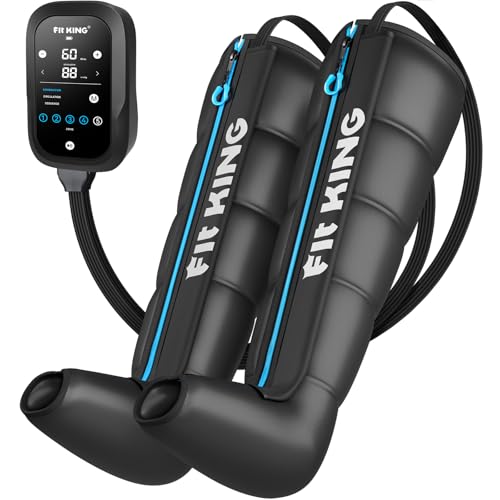
- Five-zone precision control
- 11 pressure levels and 10 time settings
- Cordless with a two-year warranty
Best For: Cyclists wanting highly adjustable recovery sessions
Best Corded Value
QUINEAR Sequential Recovery Boots

- Four-chamber sequential compression
- Eight intensity levels and three modes
- 24-month support commitment listed
Best For: Cyclists recovering at home near an outlet
Best Mid-Size Fit
FIT KING FT-115A Compression Boots Medium
- Five-zone targeted compression
- 50–150 mmHg across 11 levels
- Cordless operation with carry bag
Best For: Cyclists wanting a medium-size portable recovery boot
Customizable Full-Leg Recovery
KNQZE 4-Zone Compression Boots

- Four targeted air chambers cover the full leg
- Six modes, six intensities, and three timers
- Smart sensors plus carrying bag
Best For: Cyclists seeking adjustable full-leg recovery
Heated Post-Ride Relief
Air Compression Boots with Heat

- Five sequential air chambers cover the full leg
- Three heat levels and 11 pressure intensities
- Six modes with smart adaptive pressure sensing
Best For: Cyclists wanting heat and compression together
Reliable Athletic Recovery
FIT KING Full-Leg Compression Boots

- Four independent channels cover the full leg
- Eight pressure intensities and three timers
- Two-year worry-free warranty
Best For: Cyclists wanting simple, durable home recovery
Adjustable Full-Leg Coverage

- Calf-to-thigh wraparound compression
- 9 intensities and 6 massage modes
- Includes timers and carry bag
Best For: Cyclists wanting highly adjustable full-leg recovery
Cordless Calf and Foot Recovery

- Rechargeable cordless design
- Covers foot, ankle, heel, and calf
- 120–170 minutes of battery use
Best For: Cyclists seeking portable lower-leg compression
Heat-Enhanced Full-Leg Recovery
Air Compression Boots with Heat

- Full-leg sequential compression
- 3 heat levels and 6 modes
- 11 intensity settings from 50–150 mmHg
Best For: Cyclists wanting compression and heat for recovery
Best Wireless Freedom – Anaconda Compression Boots
For cyclists who want compression boots for cyclists that can move from home to the gym or travel bag, the Anaconda Wireless Leg Compression Boots emphasize cordless convenience. They deliver up to 200 mmHg through four zones and offer three ways to tailor a session.
Best For: Cyclists prioritizing wireless recovery and straightforward controls.
Pros:
- Rechargeable battery provides up to four hours of use.
- Four-zone coverage includes the foot, calf, knee, and thigh.
- Three modes include full-leg, massage, and targeted-zone settings.
- Includes a portable travel bag and a one-year warranty.
Cons:
- Only the medium size is specified here.
- Charging time is listed as four hours.
The Anaconda is a practical pick for riders who want a portable setup without app dependence. Its targeted-zone control can be useful after rides when calves or thighs need focused attention.
Best Customization – FIT KING FT-115A Compression Boots Large
The FIT KING FT-115A is a feature-rich option among compression boots for cyclists, with five-zone control, pressure sensing, and a broad range of session adjustments. Its cordless design is suited to recovery at home, at the gym, or while traveling.
Best For: Cyclists who want extensive pressure, timing, and zone customization in a large size.
Pros:
- Five air chambers provide foot, calf, and thigh control.
- Offers 11 pressure levels from 50–150 mmHg.
- Includes three massage modes and 10 time settings from 15–60 minutes.
- Has a three-to-four-hour battery, carry bag, and two-year warranty.
Cons:
- The listed weight is 4.5 kg.
- Battery runtime is shorter than a full day of repeated sessions.
With its 5-zone system and smart sensors, this FIT KING model gives riders more control than a basic sequential massager. Choose it if you value adjustability and the specified large fit.
Best Corded Value – QUINEAR Sequential Recovery Boots
For cyclists who do most recovery sessions in one place, the QUINEAR system offers compression boots for cyclists with corded operation and sequential pressure. Its digital controller provides eight intensity levels, three modes, and three timer choices.
Best For: Riders who prefer a corded home recovery system with simple digital adjustments.
Pros:
- Four air chambers cover the foot, calf, and thigh.
- Eight intensity levels range from 50–120 mmHg.
- Three modes and 20-, 25-, or 30-minute timers support tailored sessions.
- Pressure sensors adjust compression for different leg sizes, and a 24-month service commitment is listed.
Cons:
- It uses corded electric power rather than a rechargeable battery.
- The product is not water resistant.
- It is listed in a large size.
The QUINEAR makes the most sense when portability is less important than a dedicated recovery station. Its sequential operation and moderate adjustment range cover the basics without the complexity of a cordless model.
Best Mid-Size Fit – FIT KING FT-115A Compression Boots Medium
The medium FIT KING FT-115A combines cordless portability with five-zone control, making it a versatile choice for cyclists comparing compression boots for cyclists. It supports full-leg or targeted sessions and includes pressure, timing, and mode adjustments.
Best For: Cyclists seeking a medium-size, portable boot with detailed recovery controls.
Pros:
- Five-zone control can focus on the foot, calves, thigh, or full leg.
- Provides 11 pressure levels from 50–150 mmHg.
- Offers three-to-four-hour cordless operation and a carry bag.
- Includes a two-year warranty and pressure sensors that adapt to leg size.
Cons:
- The specified battery runtime is limited to three to four hours.
- The medium version may not suit riders needing a larger fit.
This model is a strong middle ground for riders who want the FIT KING feature set without choosing the large version. Its zone-by-zone controls are useful for alternating between focused calf work and full-leg recovery.
Customizable Full-Leg Recovery – KNQZE 4-Zone Compression Boots
For cyclists comparing compression boots for cyclists, the KNQZE Air Compression Recovery System offers full-leg coverage with four targeted air chambers. Its adjustable modes, pressure levels, timers, and sensor-based fit make it a practical option for post-ride leg fatigue and at-home recovery.
Best For: Cyclists and athletes who want customizable full-leg compression in a portable system.
Pros:
- Four zones target the foot, lower calf, upper calf, and thigh.
- Six modes, six intensity levels, and three timer settings provide flexible sessions.
- Smart sensors adjust pressure and inflation volume for different leg sizes.
- Includes a carrying bag and one-year warranty.
Cons:
- Uses corded electric power, so it is not cordless.
- Its four-zone design offers fewer chambers than some full-leg systems.
The KNQZE is a strong fit for riders who prioritize control and portability. The LCD controller and memory function simplify repeat sessions, while the durable nylon construction supports regular home or travel use.
Heated Post-Ride Relief – Air Compression Boots with Heat
Among compression boots for cyclists, this full-leg model stands out for combining sequential air pressure with three heat levels. Five chambers inflate from the foot toward the thigh, while adjustable intensity and targeted programs let riders tailor recovery after training or long days on their feet.
Best For: Cyclists who want compression with optional warmth for post-training comfort.
Pros:
- Five air chambers provide smooth, sequential foot-to-thigh compression.
- Three heat settings can warm the feet, calves, and thighs.
- Offers six massage modes and 11 intensity levels from 50–150 mmHg.
- Smart pressure sensing, auto shut-off, and a storage bag add convenience.
Cons:
- Heat and compression features may be more than some riders need.
- The listed fit range may not suit every leg size.
- It requires a wired power supply.
This is the most feature-rich option of the three for riders who value warmth as well as compression. Its broad intensity range supports gentle relaxation or deeper post-exercise sessions, provided the listed dimensions fit.
Reliable Athletic Recovery – FIT KING Full-Leg Compression Boots
For cyclists looking for straightforward compression boots for cyclists, the FIT KING Air Compression Recovery System uses four independent air channels to address the feet, calves, knees, and thighs. Its sensor-controlled pressure, digital controller, and zipper design make it suited to repeat pre- and post-ride sessions.
Best For: Athletes and cyclists who want a simple full-leg system with a longer warranty.
Pros:
- Four airbag chambers provide full-leg coverage through independent channels.
- Pressure sensors adjust inflation volume for different leg sizes.
- Digital controller includes three modes, eight pressure intensities, and three timers.
- Offers a two-year worry-free warranty and customer support.
Cons:
- Provides fewer modes than some competing systems.
- It is a corded home device rather than a cordless option.
- The large size may not be appropriate for smaller legs.
The FIT KING is a practical choice when dependable core compression features matter more than heat or extensive programming. Its independent channels, sensor control, and two-year warranty make it appealing for regular athletic recovery at home.
Adjustable Full-Leg Coverage – YINGGG Compression Boots
For cyclists comparing compression boots for cyclists, the YINGGG model stands out for full coverage from the calves through the thighs and a broad range of pressure settings. Its adjustable programs make it suitable for post-ride recovery at home, provided the listed sizing matches your legs.
Best For: Cyclists who want full-leg compression with extensive intensity and mode adjustments.
Pros:
- 360-degree wraparound coverage from calves to thighs.
- Offers 9 intensities from 60 to 200 mmHg.
- Six massage modes and 15-, 20-, and 25-minute timers support customized sessions.
- Includes a lightweight design and carrying bag for gym or travel use.
Cons:
- Corded electric operation limits use away from an outlet.
- Medium sizing is specified for 29–33-inch inseams and 20–30-inch upper-thigh circumferences.
- Full-leg coverage may be more equipment than riders seeking calf-only compression.
The YINGGG is a flexible choice when precise pressure control and thigh coverage matter most. Check the size chart carefully before buying, especially if you have longer legs or larger thighs.
Cordless Calf and Foot Recovery – Comfytemp Compression Boots
Among compression boots for cyclists, the Comfytemp model is a practical portable option for riders who want foot, ankle, and calf coverage without staying near an outlet. Its rechargeable battery and adjustable straps make it convenient for post-ride use at home or while traveling.
Best For: Cyclists prioritizing cordless portability and lower-leg coverage.
Pros:
- Built-in 2500mAh battery provides approximately 120–170 minutes of use depending on settings.
- Three independent airbags create rhythmic compression across the calf, ankle, heel, and arch.
- Four adjustable straps allow the fit to be fine-tuned.
- Portable form factor works well for travel, couch, or bedside use.
Cons:
- Coverage is limited to the foot, ankle, and calf rather than the full leg.
- Designed for calf circumferences from 13 to 19 inches and feet up to 12 inches long.
- Coverage can vary with leg length and shape.
The Comfytemp makes the most sense for cyclists who value convenience over thigh coverage. Its cordless design is the key advantage, while riders seeking full-leg treatment should consider a taller boot.
Heat-Enhanced Full-Leg Recovery – Air Compression Boots with Heat
For cyclists looking at compression boots for cyclists with added warmth, this full-leg system combines sequential air compression with three heat levels. It covers the feet through the thighs and offers targeted programs, making it useful for cooldowns, warm-ups, and general leg relaxation.
Best For: Cyclists who want full-leg compression paired with adjustable heat.
Pros:
- Five air chambers provide sequential pressure from foot to thigh.
- Three heat settings range from 107.6°F to 129.2°F.
- Six modes include full-leg and targeted foot, calf, or thigh options.
- Eleven intensity levels from 50 to 150 mmHg allow gradual adjustment.
Cons:
- Corded operation is less convenient for use away from an outlet.
- Medium sizing fits 29.5–33.5-inch legs, with stated thigh and calf limits.
- At 6.6 pounds, it may be less convenient to transport than smaller lower-leg models.
This model is a strong fit for riders who want both compression and heat in one full-leg system. Review the sizing and consider its weight before choosing it for frequent travel.
How We Picked the Best Compression Boots for Cyclists
We focused on the features that matter most after cycling: leg coverage, sequential compression, pressure adjustment, controls, portability, and sizing. The selection includes full-leg and foot-and-calf systems, cordless models for easier use away from an outlet, and options with heat or multiple massage modes. Because recovery preferences vary, we also considered whether each design is better suited to occasional post-ride use, frequent training, or shared household use.
Compression boots are not a substitute for medical care. If you have circulation problems, a history of blood clots, significant swelling, or another condition affected by compression, ask a healthcare professional before using them.
Quick Comparison
| Feature | What to look for | Why it matters |
|---|---|---|
| Coverage | Foot, calf, thigh, or full leg | Matches the areas affected by your rides |
| Pressure control | Multiple intensities and zones | Helps tailor the session to comfort and fatigue |
| Power | Cordless battery or wall-powered controller | Determines portability and setup convenience |
| Heat | Optional warming function | May feel soothing, but is not essential for compression |
| Fit | Correct boot size and adjustable closures | Supports even pressure without uncomfortable tight spots |
Key Buying Factors for Compression Boots for Cyclists
Coverage and Sizing
Full-leg boots can address the feet, calves, knees, and thighs, while shorter systems are lighter and simpler for targeted recovery. Check the manufacturer’s height, calf, thigh, and foot measurements rather than relying only on small, medium, or large labels. A poor fit can create uneven pressure or leave sections of the leg uncovered.
Pressure, Zones, and Controls
Sequential compression should inflate sections in a programmed pattern, generally moving upward through the leg. More intensity levels and independent zones give you greater control, especially when your legs feel different after a short recovery ride versus a long endurance session. Look for straightforward controls if you plan to use the boots while relaxing.
Portability and Battery Life
Cordless boots are convenient for travel, races, and use on the sofa, but check charging time and expected session capacity. Wall-powered systems can be a better value for a dedicated home recovery area and may avoid battery-management concerns.
Heat and Additional Modes
Heat can make a session feel more relaxing, but it adds complexity and is not required for effective air compression. Treat heat as a preference feature, and prioritize adjustable pressure, reliable fit, and useful coverage first.
Who Should Buy Which Compression Boots for Cyclists?
Frequent racers and serious trainers: Choose a full-leg model with several pressure levels, sequential zones, and a dependable controller. Cordless operation is especially useful when traveling to events.
Endurance riders: Prioritize broad coverage and comfortable, gradual adjustment for longer post-ride sessions. A model with multiple modes can accommodate different levels of fatigue.
Riders on a budget: A simpler foot-and-calf or medium full-leg system can provide useful compression without paying for every extra feature.
Home users who want relaxation: Consider a model with heat and multiple massage settings, provided the fit is correct and the controls are easy to operate.
Taller or larger-framed cyclists: Pay particular attention to size charts and look for large or adjustable designs. The best Compression Boots for Cyclists are the ones that cover your legs evenly and let you set a comfortable pressure.
Related Posts: