A good lifting surface does more than protect your floor—it improves stability, reduces noise, and helps your setup feel more like a real training space.
These picks focus on durability, layout flexibility, and the right mix of rubber, steel, and platform materials for deadlifts and Olympic lifting.
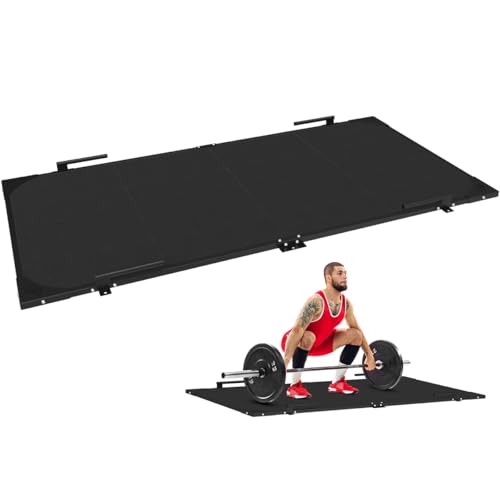
If you want a rubber deadlift platform that clearly separates your pulling area from the rest of the gym, this 8′ x 4′ setup is built for that job. The steel frame, flush-fit rubber tiles, and floor clips make it a practical choice for home or garage gyms where stability and floor protection matter.
Best For: Lifters who want a dedicated deadlift station with a sturdy frame, easy assembly, and better protection for floors and equipment.
Pros:
Heavy-duty 11-gauge steel frame adds stability for serious pulling sessions
Included rubber tiles help reduce noise and protect flooring from dropped bars
Bolt-together design and included hardware make setup straightforward
Floor clips help keep the platform from shifting during use
Cons:
Large footprint may be too big for compact home gyms
At 110 lbs, it is not a quick move if you need to rearrange the room often
This is a solid rubber deadlift platform for lifters who want a true designated training zone rather than a temporary mat setup. It is especially appealing if you care more about durability, noise reduction, and clean organization than a minimal footprint.
If you want a simple way to add cushioning and coverage to a training area, these CAP EVA tiles are a practical pick. They’re not a replacement for a heavy-duty rubber deadlift platform, but the 1-inch foam build can still help reduce noise, soften impact, and make a home gym more comfortable.
Best For: Lifters and home gym users who need affordable, customizable floor protection for general workouts, stretching, and light lifting.
Pros:
1-inch EVA foam offers solid cushioning and shock absorption.
Interlocking puzzle design makes it easy to size for your space.
Non-slip surface helps improve stability during workouts.
Easy to clean and portable for rearranging or storage.
Cons:
Not as rigid or impact-ready as a true rubber deadlift platform.
Foam can compress under very heavy barbells or dropped weights.
Best suited to general gym use rather than aggressive powerlifting.
Overall, this is a good budget-friendly flooring solution if your priority is comfort and room coverage over maximum barbell protection. For anyone comparing home-gym mats to a rubber deadlift platform, this is the more versatile but less heavy-duty option.
If you want a rubber deadlift platform that feels purpose-built for heavy pulls, this Titan setup is a strong pick. The 8′ x 4′ steel frame, thick rubber tiles, and included band pegs make it well suited to home or garage gyms where floor protection, noise control, and a dedicated lifting area all matter.
Best For: Lifters who want a durable, competition-style platform for deadlifts, snatches, and banded work.
Pros:
Heavy-duty 11-gauge steel frame feels stable and durable
Rubber tiles help protect floors, plates, and barbell knurling
Included band pegs add resistance training versatility
Bolt-together design makes setup straightforward
Cons:
Large footprint may be too much for compact rooms
At 110 lb, it is not a quick-move or temporary setup
Band peg use is best with the frame secured to the floor
This is a practical rubber deadlift platform for lifters who want a dedicated, rugged training zone instead of piecing together mats and pads. It is more serious gym equipment than casual accessory, but the payoff is a cleaner setup, better protection, and a more confident pulling platform.
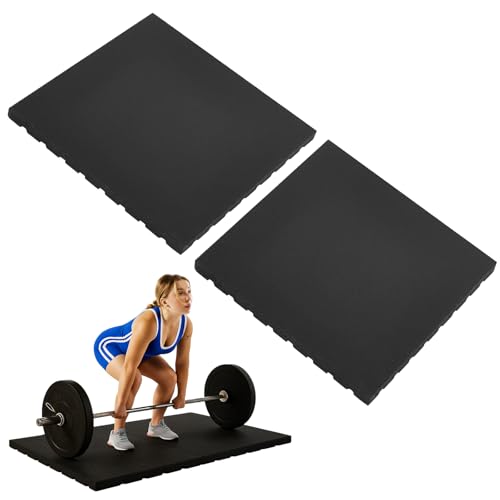
If you need a compact rubber deadlift platform surface that helps protect floors, cut down on noise, and stay put under heavy lifts, these 20″ x 20″ rubber mats are a practical pick. The thicker 1.38″ build and anti-slip backing make them useful for deadlifts, squat rack zones, and apartment-friendly home gyms where impact control matters.
Best For: Home lifters who want a small, durable floor protector for deadlifts, racks, or treadmill areas.
Pros:
High-density rubber helps absorb impact from dropped plates and equipment
Textured anti-slip backing improves stability during lifts
Waterproof surface is easy to wipe clean after workouts
Compact 20″ x 20″ size fits smaller training areas
Cons:
Two-pack coverage is limited for larger platform builds
May be too small if you want a full deadlift platform replacement
For lifters building out a rubber deadlift platform in a garage, apartment, or spare room, these mats make sense when you want simple protection without committing to a full-size platform. They are strongest as a modular floor protector rather than a complete lifting surface.
If you want a sturdy rubber deadlift platform that feels more like a dedicated training station than a simple mat, this Titan setup is built for heavy pulls, noise reduction, and a cleaner gym layout. The steel frame and included rubber tiles make it a strong pick for lifters who want protection plus a more permanent platform feel.
Best For: Home or garage gym lifters who want a bolt-together platform with a rigid frame, rubber impact protection, and the option to customize the center section.
Pros:
Heavy-duty 11-gauge steel frame adds rigidity and a premium feel
Rubber tiles help reduce noise and protect floors, bars, and plates
Includes band pegs and floor clips for more advanced setup options
Flexible design works well for adding plywood or a custom center insert
Cons:
Large footprint is not ideal for tight training spaces
Assembly is straightforward, but the frame is heavy and more permanent than a simple mat
Using band pegs is best with the frame secured to the floor
This is a solid choice if you want a rubber deadlift platform with a more serious lifting feel and room to personalize the center area. It is especially appealing for lifters who care about durability, sound control, and a stable platform for regular heavy deadlifts.
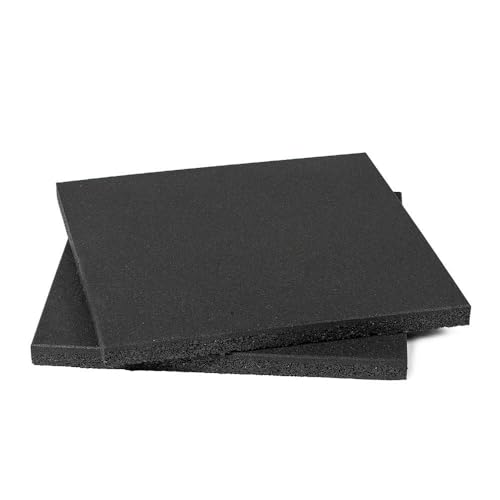
If you want a rubber deadlift platform upgrade without building a full platform, these 1.38-inch rubber tiles offer serious impact absorption, grip, and noise control for home gyms. They’re sized for small coverage areas, making them a practical pick for deadlift corners, squat rack zones, and treadmill bases.
Best For: Lifters who need thick, durable protection for deadlifts, barbell drops, and apartment or garage gym setups.
Pros:
Thick 35mm rubber helps absorb barbell impact and protect floors from dents and scratches
Textured underside improves stability, while the smooth top supports secure foot placement
Helps reduce noise and vibration for shared walls or downstairs neighbors
Works well under racks, treadmills, and compact deadlift areas
Cons:
Only two 20" x 20" tiles included, so coverage is limited
May be too heavy-duty for buyers who only need light equipment padding
Not a full-size platform kit, so larger lifting setups will need multiple packs
For compact training spaces, this is a straightforward rubber deadlift platform solution that prioritizes protection and stability over convenience extras. It’s a strong match if you want rugged floor defense and quieter lifting in a small footprint.
If you want a rubber deadlift platform that feels purpose-built for serious barbell work, this Valor Fitness setup blends impact protection with a stable bamboo lifting zone. It’s a strong fit for lifters who need a dedicated surface for deadlifts, Olympic lifts, squats, and general home gym training.
Best For: Home gym lifters who want a durable, floor-protecting platform with a secure lifting surface for heavy barbell workouts.
Pros:
Rubber inserts help absorb impact, reduce noise, and protect floors.
Bamboo center panels provide a firm, stable stance for lifting.
Steel frame and corner supports add durability for repeated use.
Large footprint suits dedicated garage gym or training spaces.
Cons:
Requires a fair amount of floor space at 81.5" x 101".
Not a portable option for small or temporary workout setups.
Overall, this rubber deadlift platform is a practical choice if you want a more permanent training station with a balance of floor protection, stability, and heavy-duty construction. It’s especially appealing for lifters who train often and want a cleaner, more organized lifting area.
If you already have a frame and want to build a sturdier rubber deadlift platform, these Titan Fitness lifting tiles are an easy add-on. The 24″ x 24″ tiles create a clean 4′ x 4′ lifting surface, and the 1.6″ rubber thickness helps absorb impact while protecting floors and plates during heavy pulls.
Best For: Lifters who already own a deadlift or Olympic platform frame and want durable center tiles to finish the setup.
Pros:
Sold as a 2-pack for flexible platform layouts
Thick 1.6″ rubber helps reduce impact and floor damage
24″ x 24″ size makes it easy to build a 4′ x 4′ platform section
Non-slip surface is suited for deadlifts, cleans, and jerks
Cons:
Designed as an add-on, not a complete standalone platform
Each tile is heavy, so setup is more work than basic mats
For gym owners or home lifters upgrading a rubber deadlift platform, these tiles make sense when you want a cleaner, more purpose-built lifting zone. They’re especially useful if you’re matching Titan’s platform frame or creating a custom, impact-resistant center section.
If you want a sturdy rubber deadlift platform that also serves as a rack-mounted lifting base, Titan’s Titan Series platform is built for heavy sessions. The hardwood center gives you a firm pull surface, while the rubber side tiles help absorb drops and protect your floor and gear.
Best For: Lifters using compatible Titan racks who want a bolted-in platform for deadlifts, Olympic lifts, and heavy barbell work.
Pros:
Thick hardwood center provides a stable, responsive pulling surface.
Heavy-weight rubber side tiles help cut impact and floor damage.
Full tubular frame adds rigidity and long-term durability.
Fits several Titan Series rack depths for a secure bolt-on setup.
Cons:
Only works with specific Titan rack models and depths.
Not a standalone platform for universal gym use.
May be more hardware-specific than buyers wanting a simple drop-in mat.
This is a strong choice if you want a purpose-built rubber deadlift platform that prioritizes stability, impact protection, and rack integration. The tradeoff is compatibility, so it makes the most sense for Titan owners who want a heavy-duty lifting station rather than a universal platform.
If you need a rubber deadlift platform surface that’s easy to expand, these Titan Fitness 24″ x 24″ tiles are a practical building block. Sold in a 4-pack, they’re designed to pair with an existing lifting platform or to help you assemble a 4′ x 4′ setup with added shock absorption and floor protection.
Best For: Lifters who already have a platform or want a modular way to build a deadlift or Olympic lifting area.
Pros:
Four tiles make it simple to create or extend a 4′ x 4′ lifting area
1.6″ thickness helps protect floors, plates, and equipment from drops
Works well as an add-on for an existing deadlift or Olympic platform
Cons:
Not a complete platform by itself unless paired with a base
Heavy package can be awkward to move and position
As a rubber deadlift platform component, these tiles make the most sense for home gym owners who want flexibility rather than a one-piece system. They’re especially useful if you’re expanding an existing setup and want durable, impact-absorbing coverage without overbuilding the floor area.
For a Rubber Deadlift Platform, the most important factors are load support, traction, impact control, and how well the platform fits your training space. We favored options that are built for barbell work, use thick rubber where it matters, and offer a stable surface under heavy pulls and drops.
We also looked at installation complexity, footprint, and whether the platform is better suited to a full dedicated lifting area or a more flexible home gym layout.
Quick Comparison
Full steel-frame platforms are the best choice when you want a permanent training station with clear lifting zones. Modular rubber tiles and interlocking mats are better when you need flexibility, easier setup, or coverage for multiple gym uses. Bamboo or hardwood center sections can add a more premium lifting feel, while all-rubber solutions tend to prioritize noise reduction and floor protection.
Key Buying Factors for a Rubber Deadlift Platform
Size and Footprint
Make sure the platform matches your bar path, stance width, and available floor space. Full-size 8-foot by 4-foot layouts are ideal for most lifters, while smaller tile-based builds may work better in compact rooms.
Surface Material
Rubber thickness affects shock absorption, grip, and noise control. Thicker rubber tiles are usually better for deadlift protection, while foam mats are more suitable for general flooring than repeated heavy barbell drops.
Frame and Core Construction
Steel frames improve rigidity and help the platform stay square over time. If the platform includes a wood or bamboo center, that can create a firmer, more consistent pull zone compared with softer flooring materials.
Noise and Floor Protection
If you lift in an apartment, garage, or shared space, prioritize impact reduction and anti-vibration features. A true Rubber Deadlift Platform should protect the subfloor without feeling unstable under load.
Modularity and Expansion
Some buyers need a permanent station; others want add-on tiles or half-platform formats that can be expanded later. Modular parts are useful if your training style or room layout may change.
Who Should Buy Which Rubber Deadlift Platform?
Choose a full platform if you want the most dedicated, stable setup for heavy deadlifts, Olympic lifts, and rack work. Choose half-platform or tile-based options if you need a smaller footprint, want to build your own surface, or prefer a more budget-friendly path.
If your main goal is floor protection with lighter lifting, simple rubber mats may be enough. If you want the best blend of stability, durability, and performance, a steel-framed Rubber Deadlift Platform is usually the strongest long-term choice.