Rubber lifting grips can improve your hold on heavy pulls, high-rep sets, and barbell work without the bulk of full gloves. They’re a practical option when you want more traction and less hand fatigue.
Below, we focus on the best picks for lifters who want better grip security, wrist comfort, and simple training support across deadlifts, rows, pull-ups, and general gym use.
Best 10 Rubber Lifting Grips Picks for 2026
Fitgriff Anti-Slip Wrist Straps
Rubber-grip lifting straps with quick setup

- Natural rubber anti-slip bulge improves bar hold
- Neoprene wrist padding adds comfort under load
- Left/right markings speed up strap placement
Best For: Heavy pullers who want faster setup and secure grip control
Gymreapers Heavy-Duty Lift Grips
Rubber grips with wrist support for heavy pulls

- Reinforced rubber grips improve bar control
- Dense neoprene padding cushions the wrists
- Adjustable straps help keep the fit secure
Best For: Powerlifters and bodybuilders training heavy pulls
Jopplim Anti-Slip Workout Grips
Ergonomic silicone palm pads for lifting
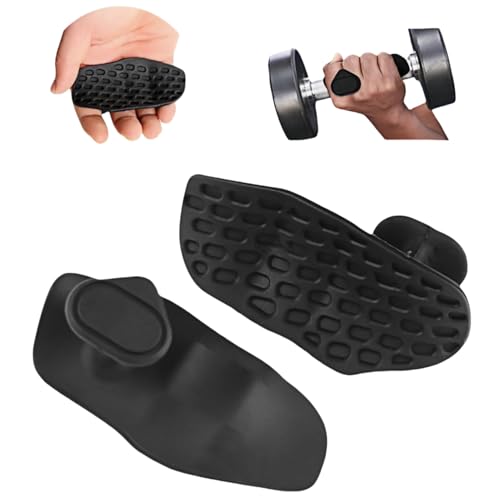
- Ergonomic shape fits palm and fingers closely
- Silicone adds grip and palm protection
- Quick-dry design makes cleanup simple
Best For: Training days when you want palm protection without full gloves
Elite Strap Pick
Fitgriff Elite Straps for Deadlifts and Pulls
- Natural rubber anti-slip bulge for secure bar control
- Neoprene wrist padding plus industrial-grade velcro
- Left/right markings and hook-and-release setup
Best For: Heavy lifters who want secure grip support and faster strap setup
Comfort Grip Pick
Ergonomic Rubber Hand Protector Grips

- Fingerless ergonomic shape for comfort and stability
- Textured anti-slip rubber for sweaty hands
- Lightweight design helps reduce blisters and calluses
Best For: Gym-goers who want portable palm protection and a secure feel
Patented Grip Pick
Rubber Gym Grips with Quick-Release Design

- Anatomical shape with patented ergonomic design
- Fingerless silicone rubber construction for breathability
- Quick-release feel with storage bag included
Best For: Strength trainees who want molded rubber grips for varied lifts
Silicone Palm Grips
Silicone Weight Lifting Grips, Anti-Slip Gym Hand Pads

- Textured silicone boosts friction on bars and dumbbells.
- Ergonomic palm shape helps reduce calluses and blisters.
- Quick-drying, easy-to-clean design suits frequent training.
Best For: lifters wanting lightweight palm protection and a stronger hold
Portable Grip Pads
Silicone Gym Grips for Weight Lifting

- Suction-style silicone aims to improve grip stability.
- Curved design helps reduce calluses and blisters.
- Includes a portable cloth case with hook.
Best For: lifters who want compact, bag-friendly grip pads
Compact Training Grips
Silicone Gym Grips for Weight Lifting
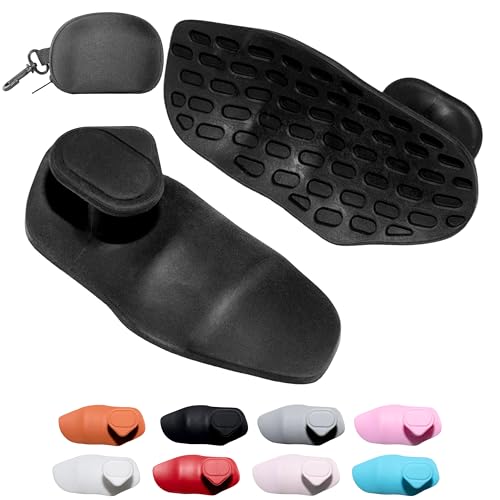
- Flexible silicone is designed to improve friction.
- Curved support shape helps reduce palm rubbing.
- Lightweight, waterproof, and easy to remove.
Best For: adults wanting a lightweight grip aid for general lifting
Fitgriff Anti-Slip Wrist Straps – Rubber-grip lifting straps with quick setup
If you want rubber lifting grips that prioritize bar security and wrist comfort, Fitgriff® Elite Straps are built for heavy pulling sessions. The natural rubber anti-slip bulge is designed to help you keep a firm hold during deadlifts, rows, pull-ups, and lat pulldowns, while the neoprene wrist padding adds a more comfortable feel on hard training days.
Best For: Lifters who want a fast-wrap grip aid with strong anti-slip control and wrist padding.
Pros:
- Natural rubber grip surface designed for better bar control
- Neoprene wrist padding helps reduce pressure during heavy pulls
- Left/right hand markings make setup quicker
- Industrial-grade Velcro adds durability for repeated training
Cons:
- Only one size option per listing selection, so fit matters
- More specialized than basic straps if you prefer a simple wrap
Overall, these are a practical pick for lifters who want rubber lifting grips with an emphasis on speed, security, and wrist comfort. The design is geared toward efficient use under load, especially if you train pulling movements often.
Gymreapers Heavy-Duty Lift Grips – Rubber grips with wrist support for heavy pulls
For lifters comparing rubber lifting grips, Gymreapers Weight Lifting Grips focus on strong bar control and wrist support in one piece of gear. The reinforced rubber grips and dense neoprene padding are made to stay stable through deadlifts, rows, shrugs, and other heavy pulling work.
Best For: Experienced or aspiring lifters who want durable grips for heavy pulling and steady wrist support.
Pros:
- Reinforced rubber grips help maintain bar control through fatigue
- Dense neoprene padding cushions wrists during heavy sets
- Adjustable straps help create a secure fit for different wrist sizes
- Heavy-duty stitching and industrial-grade materials support durability
Cons:
- Built for serious pulling, so they may be more grip aid than casual gym users need
- Designed primarily for lifting support rather than all-purpose glove replacement
If your priority is a stable, hard-wearing grip aid for demanding sessions, these are a strong fit. They combine rubber traction, wrist cushioning, and secure adjustment in a format aimed at steady performance under load.
Jopplim Anti-Slip Workout Grips – Ergonomic silicone palm pads for lifting
If you prefer rubber lifting grips in a palm-pad style, these anti-slip workout grips are designed as an ergonomic alternative to gloves. The silicone construction is meant to improve friction, protect the palms from calluses and blisters, and stay easy to clean after sweaty training sessions.
Best For: Lifters who want compact palm protection instead of full gloves or straps.
Pros:
- Ergonomic shape is designed to fit the palm and fingers well
- Silicone grip surface adds friction for strength training and hard pulls
- Helps reduce palm pressure, calluses, blisters, and rips
- Easy to rinse and quick to dry after workouts
Cons:
- Universal sizing may not feel equally precise for every hand
- Less wrist support than strap-based lifting grips
These grips make sense if you want a simple, washable hand-contact aid rather than a full lifting glove or wrap system. They are geared toward friction, palm comfort, and convenience more than maximum wrist support.
Frelaxy 3-in-1 Lift Grips – Rubber grip straps with wrist support
Frelaxy’s rubber lifting grips are built for lifters who want one tool to cover grip strength, palm protection, and wrist support. The non-slip natural rubber palm pads are paired with thick neoprene padding, making them a practical choice for deadlifts, rows, lat pulldowns, and pull-ups.
Best For: Lifters who want a wrap-style grip aid that combines support, protection, and traction.
Pros:
- 3-in-1 design combines wrist wraps, gym gloves, and straps
- Natural rubber palm pads are designed to resist slipping
- 6 mm neoprene strap helps reduce wrist pressure and discomfort
- Adjustable fit covers a broad wrist size range
Cons:
- More structured than basic straps, which may feel bulky to some users
- Single size design means fit depends on the adjustable range
For lifters who want a more complete grip solution, these stand out because they blend traction and support into a single setup. They are a solid option if you train hard and want to reduce hand strain without giving up bar control.
Elite Strap Pick – Fitgriff Elite Straps for Deadlifts and Pulls
Fitgriff Elite Straps are rubber lifting grips built for lifters who want a secure hold during deadlifts, rows, pull-ups, and lat pulldowns. The anti-slip bulge design and left/right hand markings make them practical if you want faster setup and a more stable grip under heavy load.
Best For: Lifters who want rubber lifting grips with wrist padding and a quick-release strap system for heavy training.
Pros:
- Natural rubber grip with an anti-slip bulge for secure bar handling
- Neoprene wrist padding helps reduce pressure during heavy lifts
- Left/right hand markings and hook-and-release design save setup time
- Industrial-grade velcro adds durability for repeated training sessions
Cons:
- Size selection matters, since the fit is based on a detailed chart
- More specialized than simple palm pads if you only want minimal coverage
Overall, these straps focus on grip security and workflow efficiency rather than a bare-bones design. If your priority is controlled lifting with added wrist comfort, they are a strong match.
Comfort Grip Pick – Ergonomic Rubber Hand Protector Grips
These anti-slip workout grips are designed as fingerless rubber hand protectors for weight lifting, pull-ups, and gym training. The ergonomic shape follows the natural curve of the hand, while the textured rubber surface is meant to help maintain a firm hold when your hands get sweaty.
Best For: Lifters who want lightweight rubber lifting grips with an ergonomic shape and palm protection.
Pros:
- Ergonomic fingerless design supports comfort during longer workouts
- Textured non-slip rubber helps improve hold on bars and dumbbells
- Lightweight and portable for gym or home use
- Helps reduce blisters, calluses, and hand fatigue
Cons:
- Material listing is silicone, so shoppers should note the product description carefully
- Less structured than full gloves for users who want more hand coverage
This is a straightforward option if you want compact grip protection without a bulky glove feel. It leans more toward comfort and portability than heavy-duty construction extras.
Patented Grip Pick – Rubber Gym Grips with Quick-Release Design
These rubber gym grips are built around an anatomical shape that follows the palm and finger curve for weightlifting, bodybuilding, deadlifts, and rowing movements. The quick-release design and suction-cup-style grip points are aimed at improving hold stability while keeping the hands free from a compressed glove fit.
Best For: Users who want rubber lifting grips with a fingerless, quick-release design for varied strength training.
Pros:
- Ergonomic, patented design matches the palm and finger curve
- Fingerless construction lets hands breathe freely during workouts
- Silicone rubber material is made to improve friction and grip security
- Includes a storage bag and works across many lifting exercises
Cons:
- One-size design may not suit every hand shape perfectly
- No-warranty listing may matter to buyers who want coverage
For lifters who value a molded feel and fast removal, this option offers a very specific take on rubber lifting grips. It is a versatile training accessory, but the fit style is less adjustable than strap-based products.
Silicone Palm Grips – Silicone Weight Lifting Grips, Anti-Slip Gym Hand Pads
These rubber lifting grips are built for lifters who want more palm protection and a surer hold without switching to bulky gloves. The silicone construction and textured surface are made to improve friction on barbells, dumbbells, and pull-up bars, while the fingerless shape keeps movement simple during training.
Best For: lifters who want lightweight palm protection, better grip stability, and easy-on, easy-off training support.
Pros:
- Ergonomic palm shape is designed to fit naturally and support grip stability.
- Textured silicone helps maintain traction even with sweaty hands.
- Acts as a barrier against calluses, blisters, and hand fatigue.
- Easy to wash and quick to dry after training sessions.
Cons:
- Universal sizing may not suit every adult hand equally well.
- Fingerless design offers less full-hand coverage than traditional gloves.
Overall, this is a practical option if you want a simple, low-maintenance grip aid for pulling and pushing exercises. It focuses on friction, comfort, and palm protection rather than full glove coverage.
Portable Grip Pads – Silicone Gym Grips for Weight Lifting
If you want rubber lifting grips that are easy to toss in a bag and use across a range of strength work, this silicone pair is aimed at that use case. The pads use a curved ergonomic shape and suction-style texture to improve friction, while the included cloth case makes them easier to carry between sessions.
Best For: athletes who want compact, portable grip pads for cross-training, deadlifts, rows, and other mixed lifting sessions.
Pros:
- Flexible silicone and suction-style texture are designed for stronger grip stability.
- Curved support shape helps reduce surface friction and minimize calluses and blisters.
- Fingerless build allows unrestricted movement and quick on-off use.
- Includes a portable cloth case with hook for storage and transport.
Cons:
- Only two grip pads are included.
- Hand wash care is required.
This is a straightforward choice for lifters who want a compact silicone grip pad rather than a heavier glove. It balances grip support, comfort, and portability in a simple package.
Compact Training Grips – Silicone Gym Grips for Weight Lifting
These rubber lifting grips follow the same silicone grip-pad approach but are packaged as a slightly different compact set for everyday strength training. The design focuses on friction, palm comfort, and easy handling, with a fingerless shape that keeps your hands moving naturally through pulls and presses.
Best For: adults who want a compact, lightweight grip aid for general weight training and mixed lifting routines.
Pros:
- Flexible silicone surface is made to boost friction during sweaty sets.
- Ergonomic curved support helps ease surface friction on the palm.
- Fingerless design makes them easy to put on and take off.
- Lightweight and waterproof for simple gym use.
Cons:
- Hand wash only care may be less convenient for some users.
- Universal sizing may not provide a custom fit for every hand.
For lifters who want a no-fuss silicone grip solution, this set keeps the focus on traction and basic palm protection. It is a practical option for general strength work where portability matters.
How We Picked the Best Rubber Lifting Grips
We prioritized grip security, material quality, wrist comfort, durability, and how well each option suits common lifting movements. We also looked for designs that balance control with flexibility, since the best Rubber Lifting Grips should help without getting in the way of your bar path or hand positioning.
Because these products are used for different training styles, we also weighed whether they work better for deadlifts and rows, pull-up assistance, or general machine and accessory work.
Quick Comparison
For heavy barbell training, more structured grips and wrist support can be helpful. For lighter accessory work or higher-rep sessions, slimmer anti-slip hand pads may feel more natural. If you train across multiple modalities, choose a versatile pair with enough surface coverage to stay secure but not so much padding that it reduces bar feel.
Key Buying Factors for Rubber Lifting Grips
Grip Surface and Traction
Look for a surface that stays sticky or textured under sweat. Rubber Lifting Grips should maintain contact without requiring a death grip, especially during deadlifts, pull-ups, and rowing movements.
Fit and Wrist Support
A secure fit matters as much as the grip material. If you want more support on heavy lifts, choose designs with padded wrist wraps or reinforced straps. If you prefer mobility, low-profile pads may be the better match.
Durability and Construction
Reinforced stitching, quality edge finishing, and tear-resistant materials help extend product life. This is especially important if you train several times per week or use chalk and sweat regularly.
Coverage and Bar Feel
More coverage can improve security, but too much bulk may reduce your tactile connection to the bar. The right balance depends on whether you prioritize comfort, support, or maximum feedback.
Who Should Buy Which Rubber Lifting Grips?
Powerlifters and heavy deadlifters: Choose a more supportive grip with wrist padding or straps for added stability on maximal and near-maximal sets.
General gym users: A versatile pair of Rubber Lifting Grips is usually enough for rows, pulldowns, and accessory work.
Pull-up and bodyweight athletes: Look for a slimmer, high-traction design that improves hold without limiting hand movement.
Minimalist lifters: If you dislike bulky gloves, low-profile rubber pads or ergonomic hand protectors offer a cleaner feel with better traction than bare hands.
Overall, the best choice comes down to your training style, how much wrist support you want, and whether you value bar feel or maximum grip assistance more.
Related Posts: