The best balance pads for seniors can make stability exercises more comfortable while adding a manageable challenge to standing workouts, rehabilitation routines, and mobility practice. The right pad should feel secure underfoot without being unnecessarily unstable.
We compared these 10 options by traction, cushioning, dimensions, firmness, and overall practicality so you can choose a balance pad that matches your experience level and exercise goals.
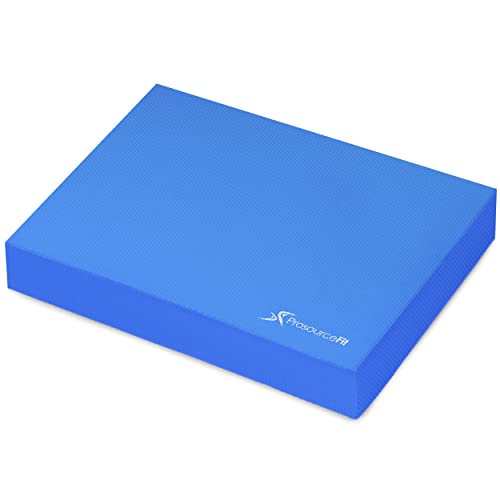
For shoppers comparing balance pads for seniors, the ProsourceFit offers a cushioned, slip-resistant surface for gentle stability, balance, and core work. Its lightweight design and multiple uses make it practical for home exercise, rehabilitation movements, or seated support.
Best For: Beginners, older adults, and users who want one pad for balance training, knee support, seating, or standing-desk use.
Pros:
Unstable foam surface can support balance, core, foot, and ankle training.
Textured TPE is sweat-resistant, non-slip, and easy to clean.
Large 15.5-by-12.75-inch footprint offers room for standing exercises.
Lightweight 12-ounce construction is easy to carry.
Cons:
The unstable surface may feel challenging for users new to balance training.
At 2.25 inches thick, it may provide less cushioning than a thicker pad.
This is a versatile choice when portability and multipurpose use matter. Beginners should start with simple exercises near a stable support.
The StrongTek is a practical option among balance pads for seniors, combining a soft-but-firm high-density TPE foam surface with textured traction. Its roomy dimensions and water-resistant construction suit balance work, physical therapy movements, and everyday cushioning.
Best For: Users who want joint-friendly cushioning for balance exercises, yoga, rehabilitation, or seated and kneeling support.
Pros:
High-density foam supports coordination, stability, and core-strength work.
Soft yet firm cushioning is designed for knees, feet, and elbows.
15.8-by-13-inch surface provides ample room for balance poses and rehab movements.
Water-resistant and easy to wipe clean for regular use.
Cons:
The 2-inch thickness may not suit shoppers looking for maximum padding.
Its cushioning and unstable surface may require a gradual introduction for beginners.
Choose this model if comfort, traction, and a spacious surface are higher priorities than extra thickness. It also works well as a general-purpose cushion outside workouts.
This professional balance pad is designed with physical therapy and stability training in mind, making it a relevant option for people comparing balance pads for seniors. The non-slip TPE surface supports balance, core, ankle, and foot exercises, while two available sizes provide flexibility for different routines.
Best For: Seniors and other users seeking a therapy-oriented pad for mobility work, injury recovery exercises, stretching, or everyday support.
Pros:
Designed for physical therapy, mobility training, and stability exercises.
Textured, sweat-resistant TPE surface helps provide traction and is easy to clean.
Available in a standard 15.7-by-13-inch size or a larger 18.8-by-15-inch option.
Can also serve as a meditation cushion, gardening kneepad, or standing-desk footrest.
Cons:
The listed standard size is only 2 inches thick, which may offer limited cushioning for some users.
The destabilizing surface may be demanding without nearby support or supervision.
The size options are this pad’s main advantage, especially for shoppers who want more surface area. Select the larger version when room for movement is more important than compact portability.
The 5BILLION Foam Balance Pad provides a textured, non-slip surface for balance and core training, along with physical therapy and yoga support. For those evaluating balance pads for seniors, its 300-pound stated capacity and multipurpose design are useful points to consider.
Best For: Users who need a compact balance-training pad for rehabilitation exercises, yoga, stretching, or standing-desk support.
Pros:
Unstable foam surface engages balance and core muscles.
Textured, waterproof surface is intended to improve traction and simplify cleaning.
Rated to support up to 300 pounds.
Can be used as a knee pad, standing-desk mat, or workout surface.
Cons:
The listed 12-by-8-inch dimensions provide less standing room than several competing pads.
Its destabilizing design may not be ideal for users who need a fully stable support surface.
The supplied notes do not list a product weight.
This model is best suited to shoppers who value a compact footprint and a stated 300-pound capacity. Because the surface is intentionally unstable, use it near a sturdy support when beginning.
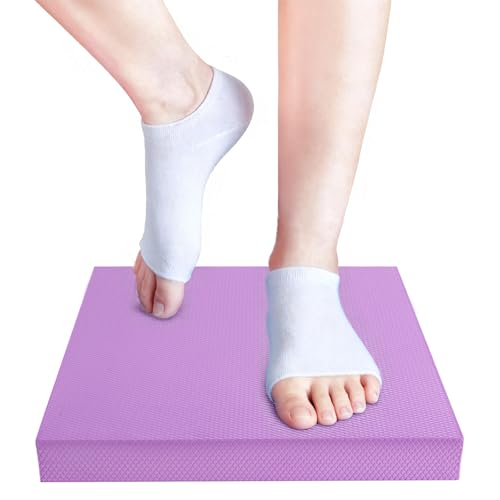
For shoppers comparing balance pads for seniors, this lightweight 15.8-by-13-inch option offers a supportive 2-inch TPE foam surface for balance training, rehabilitation exercises, yoga, and Pilates. Its fully textured surface is designed to provide grip, while the washable material helps simplify upkeep.
Best For: Seniors and adults seeking a versatile pad for gentle balance practice, therapy exercises, yoga, or seated support.
Pros:
Textured surface helps enhance grip during use.
Flexible TPE construction provides supportive cushioning.
Versatile design can also work as a knee pad, meditation pad, office cushion, or floor mat.
Lightweight, water-washable, and rated for up to 400 pounds.
Cons:
Hard or sharp objects can scratch the surface.
Its 2-inch profile may provide less cushioning than thicker pads.
This is a practical all-purpose choice when portability, easy cleaning, and a grippy surface matter more than extra thickness or specialized sizing.
This HAPBEAR model is a strong option among balance pads for seniors who want cushioned support for balance work, core training, or rehabilitation. Its dense 6-centimeter TPE foam, dual-sided grip, and diamond-grid texture are intended to support stable exercise while reducing stress on the knees and ankles.
Best For: Home users, seniors, and people doing rehabilitation exercises who prefer thicker cushioning and a portable design.
Pros:
6-centimeter foam construction offers substantial cushioning for knees and ankles.
Both sides provide grip for flexible positioning and dual use.
Diamond-grid texture helps resist shifting during exercises.
Waterproof TPE surface wipes clean with a damp cloth.
Cons:
Its thicker profile may feel less familiar for users beginning balance exercises.
The listed dimensions vary between the title and product details, so shoppers should verify the size before ordering.
The supplied details contain an inconsistent maximum-weight listing.
Choose this pad when cushioning and surface traction are priorities. Because the supplied specifications conflict on size and weight capacity, confirm those details with the seller before purchase.
For seniors who want a broader platform, this professional foam balance pad provides a 15.7-by-12.99-inch surface with 2-inch TPE foam cushioning. It is designed for rehabilitation, joint-stability work, and general balance training, while its lightweight construction also makes it suitable as a seat cushion or footrest.
Best For: Seniors and adults recovering from injury or surgery who want a stable, multipurpose pad with a relatively generous exercise surface.
Pros:
High-quality TPE foam is described as durable, abrasion-resistant, and easy to clean.
Supports balance, core strength, and stability work for the ankle, knee, and hip.
Lightweight and portable for home use or travel.
Includes a one-year warranty and 24/7 customer support according to the supplied notes.
Cons:
The 2-inch thickness may offer less cushioning than thicker balance pads.
The listed L size may be less suitable for taller users seeking a larger stance area.
Personalized sizing guidance may require consulting a physical therapist.
This pad balances rehabilitation-focused features with everyday versatility. It is especially appealing when portability and a larger-than-compact exercise surface are more important than maximum thickness.
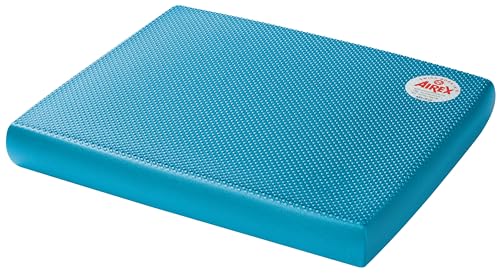
For shoppers comparing balance pads for seniors, the AIREX Balance Pad is a professional-grade option designed for balance, mobility, physical therapy, and stability training. Its 2-inch closed-cell foam construction provides a comfortable but unstable surface for controlled exercises, while the durable, non-slip skin is made for repeated use.
Best For: Seniors and adults seeking a durable pad for home rehabilitation, balance practice, mobility work, or gentle stability exercises.
Closed-cell foam resists moisture and odors and is easy to rinse clean.
Professional-grade construction is designed to maintain its shape without sagging or curling.
Versatile enough for exercise, kneeling, stretching, and standing-desk use.
Cons:
At 2.6 pounds, it is heavier than some lightweight alternatives.
The unstable surface may be challenging for users new to balance training.
With a 19.75-by-15.85-inch footprint and a 250-pound maximum weight recommendation, this AIREX model offers a substantial training surface. It is a strong choice when durability and rehabilitation-oriented use matter more than minimal weight.
This lightweight exercise balance pad is a practical entry point for people comparing balance pads for seniors. Its TPE foam mat creates an unstable surface for balance and core exercises, while the compact design is easy to carry and can also serve as a cushion, meditation pillow, or gardening knee pad.
Best For: Beginners, older adults, and users who want a portable pad for basic stability work and everyday multi-purpose use.
Pros:
Lightweight 8.8-ounce design is convenient to transport.
Slip-resistant, sweat-proof TPE material is easy to wipe clean.
Suitable for balance work, yoga, Pilates, meditation, and rehabilitation exercises.
Can also be used as a seat cushion, standing-desk foot pad, or gardening knee pad.
Cons:
Its 15.7-by-13-inch surface is smaller than the AIREX alternatives here.
Wipe-clean care may be less convenient than a pad that can be rinsed.
The 2-inch thickness offers a moderate challenge while the compact size keeps this mat approachable for home use. It is a sensible choice for beginners who value portability and versatility.
The AIREX Elite Balance Pad is a larger option for shoppers seeking balance pads for seniors with more room for standing and stability exercises. Its 20-by-16-inch foam surface features a textured, non-slip waffle pattern, while the 2.5-inch thickness creates a more substantial balance-training platform.
Best For: Adults who want a larger, professional-grade pad for balance, mobility, physical therapy, and core training.
Pros:
Largest listed dimensions provide ample room for standing exercises.
Textured, tear-resistant surface improves grip during barefoot use.
Closed-cell foam repels moisture and odors and can be rinsed clean.
Designed to stay flat and retain its shape during repeated use.
Cons:
The thicker 2.5-inch pad may provide a more demanding unstable surface.
Its supplied maximum-weight specification is listed as 1.5 pounds, so shoppers should verify suitability before purchase.
This Elite model emphasizes surface area and professional durability, making it attractive for users who need room for controlled exercises. Because the supplied weight specification appears unusual, confirm the current product details before relying on it for full-body use.
We focused on features that matter most for controlled, low-impact training: a slip-resistant surface, supportive foam, useful dimensions, and enough cushioning for standing exercises or kneeling positions. We also considered whether each pad appears better suited to beginners, physical therapy, home workouts, or more demanding balance drills.
Because balance needs vary widely, no single model is ideal for everyone. Seniors who are new to balance training may prefer a wider, firmer pad, while experienced users may want softer foam that creates a greater stability challenge. Always use a sturdy support nearby and follow a clinician’s guidance if you are recovering from an injury or managing a medical condition.
Quick Comparison
Best For
What to Look For
Beginners
Wider dimensions, firm foam, and dependable traction
Physical therapy
Stable construction, textured grip, and comfortable cushioning
Advanced balance work
Responsive, softer foam that increases instability gradually
Kneeling or floor exercises
Thicker padding and enough surface area for comfortable support
Small spaces
Compact dimensions and lightweight construction for easy storage
Key Buying Factors for Balance Pads for Seniors
Grip and Surface Traction
Look for a textured top and a non-slip underside. The pad should remain planted on a clean, hard floor during slow movements. Even a well-designed pad can slide on wet, dusty, or highly polished surfaces, so inspect the area before exercising.
Firmness and Stability
Firm foam generally offers a more predictable starting point, while softer foam produces more movement and demands greater control. For many older adults, moderate firmness is the best compromise between challenge and confidence.
Size and Cushioning
A larger pad gives you more room to adjust foot placement and may feel less intimidating. Thickness affects both comfort and instability; thicker foam can be useful for kneeling but may feel less steady when standing.
Cleaning and Storage
Choose a lightweight pad that is easy to move and wipe clean. A compact design is convenient for apartments, but make sure reduced size does not leave too little room for safe foot placement.
Who Should Buy Which Balance Pads for Seniors?
Choose a firm, wider pad if you are beginning balance exercises or want a reassuring surface for supported standing drills. Choose a medium-size therapeutic pad for physical therapy, stretching, and regular home routines where comfort and control matter most. Choose a softer or more responsive pad if you already have good stability and want to progress gradually. Choose a larger, thicker model if you expect to use it for kneeling, floor exercises, or rehabilitation movements beyond standing balance work.
Whichever option you select, start beside a countertop, rail, or stable chair. Progress slowly, wear supportive shoes when appropriate, and stop if you experience pain, dizziness, or unusual instability.