The best fitness trackers with heart rate can make everyday activity easier to understand, from resting heart rate and workout intensity to sleep and recovery trends.
This roundup compares 10 options across established brands, subscription-based coaching devices, and budget-friendly trackers so you can choose features that match your routine and budget.
Best 10 Fitness Trackers with Heart Rate Picks for 2026
Best All-Around Pick

- 24/7 heart-rate tracking with real-time workout readings
- Built-in GPS and 40+ exercise modes
- Sleep, stress, Google Maps, and Wallet features
Best For: Feature-rich everyday fitness and workout tracking
Best Battery Life

- Up to 14 days of battery life
- 1.6-inch AMOLED display with 100+ watch faces
- 100+ exercise modes plus heart rate and sleep tracking
Best For: Android users seeking long battery life
Best Budget Health Features

- Continuous heart rate, blood pressure, and SpO2 tracking
- 112 sports modes and sleep insights
- Two bands, 200+ watch faces, and up to 7-day battery
Best For: Everyday wellness tracking on a budget
Best for Recovery Coaching
WHOOP 5.0 with 12-Month Membership
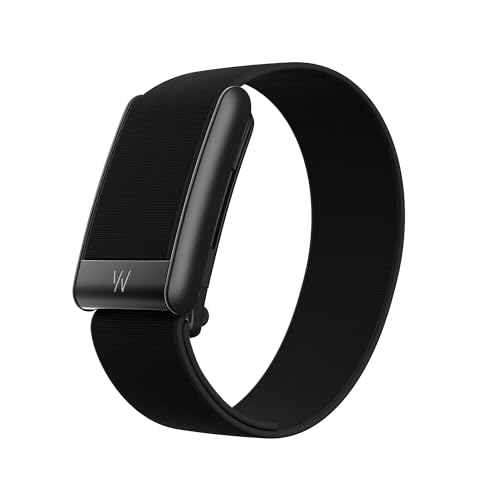
- Continuous heart rate and HRV monitoring
- Personalized sleep, strain, recovery, and stress insights
- Screenless design with up to 14+ days of battery
Best For: Athletes focused on recovery and performance data
Simple Heart-Rate Tracking

- Tracks heart rate, sleep, steps, and calories
- Works without an app or phone for core use
- IP68 rating and 5–7-day continuous battery life
Best For: Users seeking basic tracking without smartphone dependence
All-Day Health Insights

- Monitors heart rate, sleep, blood oxygen, and blood pressure data
- Offers 25 sports modes with automatic activity tracking
- Adds notifications, music control, weather, and phone finding
Best For: Users wanting broad health metrics in a lightweight smart band
Feature-Rich Training Companion

- Tracks heart rate and sleep across 140+ sport modes
- Includes Bluetooth calling and smart notifications
- Features a 1.83-inch HD screen and 5–7-day battery
Best For: Users wanting extensive workout modes and smartwatch features
Versatile Health Companion
MorePro 120+ Sport Fitness Tracker
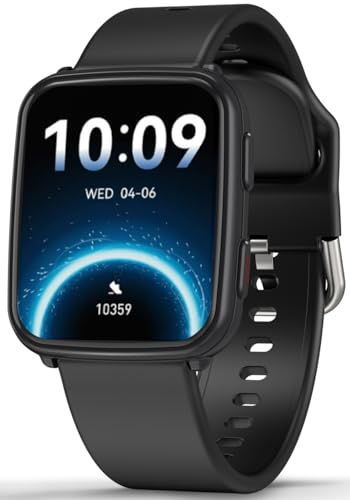
- 24/7 heart rate, blood pressure, and sleep tracking
- 120+ sport modes with all-day activity metrics
- Cycle tracking, IP68 resistance, and up to 7-day battery
Best For: Broad workout tracking and women’s health features
Clear Display Pick
AMOLED Heart Rate Activity Tracker

- 1.10-inch AMOLED touch display
- 24/7 heart rate and sleep monitoring
- 25 sports modes with connected GPS
Best For: Daily wellness tracking with a bright screen
Large-Screen Training Choice
H32 Smart Watch Fitness Tracker

- 1.58-inch display with always-on clock
- 120+ sports modes and phone-connected GPS
- 24/7 heart rate, blood oxygen, sleep, and activity tracking
Best For: Workout variety and easy-to-read smartwatch controls
Best All-Around Pick – Fitbit Charge 6
For shoppers comparing fitness trackers with heart rate monitoring, the Fitbit Charge 6 combines 24/7 heart-rate tracking with built-in GPS, automatic exercise tracking, sleep insights, and more than 40 exercise modes. Its Google features also add turn-by-turn directions, Google Wallet, and YouTube Music controls.
Best For: People who want a feature-rich fitness tracker with GPS, sleep tracking, heart-rate monitoring, and smart Google tools.
Pros:
- Tracks heart rate continuously and can show real-time heart rate on compatible exercise machines.
- Includes built-in GPS, 40+ exercise modes, automatic exercise tracking, and all-day activity tracking.
- Offers sleep scores, stress management scoring, Smart Wake, Google Maps directions, and Google Wallet.
- Battery life is rated for up to seven days.
Cons:
- Google Health Premium features require a separate subscription after the included three-month trial.
- Compatibility requires Android 11.0 or newer or iOS 16.4 or newer.
The Charge 6 is a balanced choice for everyday wellness and workouts, especially if built-in GPS and Google integration matter more than maximum battery life.
Best Battery Life – Samsung Galaxy Fit3
The Samsung Galaxy Fit3 is a practical option among fitness trackers with heart rate monitoring, offering a bright 1.6-inch AMOLED display, automatic workout detection, sleep coaching, SpO2, and more than 100 exercise modes. Its battery is rated for up to 14 days, but the international model has important device restrictions.
Best For: Android users who prioritize a large display, long battery life, and broad workout tracking.
Pros:
- Tracks heart rate, blood oxygen, sleep duration, and snoring-related data.
- Provides 101+ workout modes with automatic detection for common activities.
- Features a 1.6-inch AMOLED display and 5ATM/IP68 water resistance.
- Offers up to 14 days of battery life.
Cons:
- Compatible with Android devices only and not compatible with iPhone or iOS.
- Has no built-in GPS.
- This international model has no US warranty, and Samsung Pay is not supported.
The Galaxy Fit3 stands out for endurance and screen quality, but confirm Android compatibility and the lack of built-in GPS before buying.
Best Budget Health Features – MorePro AIR2
The MorePro AIR2 packs a broad set of wellness tools into an affordable-style fitness tracker with heart rate monitoring, including continuous heart rate, blood pressure, blood oxygen, sleep stages, and high-heart-rate alerts. It also supports 112 sports modes, phone notifications, and two included bands.
Best For: Adults who want extensive everyday health and activity features, app notifications, and interchangeable bands.
Pros:
- Tracks heart rate, blood pressure, blood oxygen, sleep stages, steps, distance, calories, and workout duration.
- Includes 112 sports modes and high-heart-rate alerts.
- Offers call, text, and supported app notifications plus practical reminders and phone-finding tools.
- Includes silicone and nylon bands, 200+ watch faces, IP68 water resistance, and up to seven days of battery life.
Cons:
- Blood pressure and other health readings are not medical diagnoses; the tracker is not a medical device.
- GPS is provided through a smartphone rather than built into the tracker.
- It is not compatible with iPad, tablets, or PCs.
The AIR2 offers an unusually wide feature list for daily wellness tracking, though buyers should treat its health metrics as informational and keep a phone nearby for GPS.
Best for Recovery Coaching – WHOOP 5.0 with 12-Month Membership
WHOOP 5.0 takes a different approach to fitness trackers with heart rate monitoring: it is screenless and focuses on continuous data, recovery, sleep, strain, and personalized coaching. The package includes the tracker and a 12-month membership, with heart rate monitored every second and insights generated from more than 140 metrics.
Best For: Serious athletes and data-focused users who want recovery guidance rather than an on-wrist display or notifications.
Pros:
- Monitors heart rate continuously and provides HRV, sleep, strain, recovery, VO2 max, and stress insights.
- Uses WHOOP AI to recommend sleep targets and daily strain goals based on recovery data.
- Screenless design avoids buzzing notifications and supports distraction-free wear.
- Offers up to 14+ days of battery life and integrates with Apple Health, Google Health Connect, Strava, and Natural Cycles.
Cons:
- Requires a membership; this package includes 12 months.
- The screenless design means there is no on-device display for workouts or notifications.
- Its extensive insights may be more than casual users need.
WHOOP 5.0 is best viewed as a subscription-based performance and recovery system, not a conventional smartwatch-style tracker.
Simple Heart-Rate Tracking – No-App Fitness Watch
If you want fitness trackers with heart rate monitoring but prefer not to rely on a phone, this LIVIKEY watch offers a straightforward option. It tracks heart rate, sleep, steps, calories, distance, and active time, while supporting nine sport modes and a battery life of up to 5–7 days.
Best For: Beginners and users who want basic fitness and heart-rate tracking without requiring a smartphone connection for everyday use.
Pros:
- Designed to work without an app or phone for core tracking.
- Monitors heart rate automatically and provides sleep-stage analysis.
- Includes nine sport modes, notifications, alarms, and sedentary reminders.
- IP68 water resistance and up to 5–7 days of continuous use.
Cons:
- It cannot make calls or send texts.
- It has no built-in GPS; GPS functionality is provided through a smartphone.
- Some features, such as setting goals or selecting manual heart-rate mode, use the app.
This is a practical choice for simple tracking and low-maintenance use. Choose it if avoiding phone setup is a priority, but consider another model if you want calling, extensive sport modes, or independent GPS.
All-Day Health Insights – 25-Sport Smart Band
For shoppers comparing fitness trackers with heart rate monitoring and broader health metrics, this USMECBL smart band adds sleep analysis, blood oxygen monitoring, and blood pressure data alongside activity tracking. It also offers 25 sports modes, notifications, and phone-control features on a 1.47-inch OLED display.
Best For: Active users who want a lightweight, phone-connected band with multiple workout modes and a wider set of health measurements.
Pros:
- Provides automatic heart-rate tracking, sleep-stage analysis, and blood oxygen monitoring.
- Includes 25 sports modes and automatic step, distance, and calorie tracking.
- Supports call, text, and app notifications on iOS and Android.
- Offers music control, weather, phone finding, and remote camera control.
Cons:
- No built-in GPS.
- The listed battery estimates vary from up to seven days of continuous use to 10–14 days of regular use, depending on usage.
- Its health measurements are wellness features and should not be treated as medical diagnoses.
This band is appealing if you want more than basic step counting, particularly for sleep and blood oxygen insights. It is less suitable if independent route tracking or a traditional smartwatch calling experience is essential.
Feature-Rich Training Companion – 140-Sport Smartwatch
This smartwatch is a strong option among fitness trackers with heart rate monitoring if you want extensive workout coverage and smartwatch functions. It combines real-time heart-rate tracking and sleep analysis with 140-plus sport modes, Bluetooth calling, notifications, music control, and a 1.83-inch HD display.
Best For: Users who want a larger-screen smartwatch for varied workouts, connected notifications, and hands-free Bluetooth calling.
Pros:
- Includes more than 140 sports modes for varied training.
- Combines real-time heart-rate detection with sleep-quality analysis.
- Supports Bluetooth calls, music control, notifications, remote camera use, and phone finding.
- Offers an IP68 rating and a 350mAh battery rated for 5–7 days of daily use.
Cons:
- It cannot reply to messages from the watch.
- GPS is provided through a smartphone rather than built in.
- Some connection and notification features require Bluetooth and the companion app.
With its large display and extensive sports selection, this model suits shoppers who want a fitness watch that also handles everyday smart functions. Its phone-dependent GPS and app connection are worth noting before purchase.
Versatile Health Companion – MorePro 120+ Sport Fitness Tracker
If you want fitness trackers with heart rate monitoring plus broad activity coverage, the MorePro combines 24/7 heart rate tracking with blood pressure, blood oxygen, sleep, and all-day activity data. Its 120+ sport modes, IP68 water resistance, and long battery life make it a practical option for varied daily routines. Health readings are intended for reference and are not medical advice.
Best For: Users who want extensive workout modes, women’s health features, and smartwatch notifications in one device.
Pros:
- Offers 24/7 heart rate and blood pressure monitoring, on-demand blood oxygen checks, and sleep-stage tracking.
- Includes more than 120 sport modes plus steps, distance, calories, heart rate, and training-time tracking.
- Adds cycle tracking, call and app notifications, IP68 water resistance, and up to seven days of normal-use battery life.
Cons:
- Health measurements are for general reference and are not intended for medical use.
- Not compatible with PCs or tablets.
This is a feature-rich choice for shoppers who prioritize health trend tracking and workout variety. It is especially appealing if women’s health tools and customizable watch faces matter alongside heart-rate monitoring.
Clear Display Pick – AMOLED Heart Rate Activity Tracker
For shoppers comparing fitness trackers with heart rate monitoring, this model pairs continuous heart-rate data with a bright 1.10-inch AMOLED display. It tracks sleep, steps, calories, and 25 sports activities, while connected GPS can record workout routes through the phone app.
Best For: Everyday users who prefer a readable AMOLED screen, essential health tracking, and a moderate selection of exercise modes.
Pros:
- Uses 24/7 heart-rate tracking to help follow resting heart-rate trends and estimate calorie burn.
- Monitors sleep timing and light and deep sleep, with results available in the app.
- Provides 25 sports modes, connected GPS route recording, IP68 water resistance, and up to seven days of battery life.
- Includes call, SMS, and social notifications plus hydration, sedentary, weather, and female health features.
Cons:
- Connected GPS relies on a paired phone rather than independent GPS hardware.
- Sleep and health data are for reference and do not replace a doctor’s advice.
The AMOLED screen is a useful differentiator for quick at-a-glance viewing. This tracker suits routine fitness and wellness monitoring, though serious athletes may want more than its 25 sport modes and phone-connected GPS.
Large-Screen Training Choice – H32 Smart Watch Fitness Tracker
Fitness Tracker with Heart Rate Blood Oxygen Blood Pressure Monitor Sleep Tracker Activity Trackers
Check Price On AmazonThis H32 is a strong option among fitness trackers with heart rate monitoring if you want a larger display and extensive exercise support. It combines 24/7 heart rate, blood pressure, blood oxygen, sleep, and activity tracking with more than 120 sports modes and phone-connected GPS route maps.
Best For: Users seeking a larger always-on display, broad workout coverage, and smartwatch-style daily tools.
Pros:
- Features a 1.58-inch high-resolution display with always-on clock functionality, touch controls, and a side button.
- Tracks 24/7 heart rate, blood pressure, blood oxygen, sleep stages, steps, distance, and calories.
- Supports more than 120 exercise modes and phone-connected GPS route mapping.
- Adds call and message notifications, IP68-style waterproofing, customizable watch faces, and a replaceable washable strap.
Cons:
- GPS route tracking requires connection to a phone.
- The supplied notes do not specify a battery runtime.
- Health metrics are presented as wrist-based monitoring rather than medical measurements.
The larger screen and 120+ modes make this a practical choice for users who want workout information and notifications to be easy to view. Its phone-connected GPS is useful for route records but adds dependence on a smartphone during outdoor activities.
How We Picked the Best Fitness Trackers with Heart Rate
We focused on the features that matter most for consistent tracking: heart-rate monitoring, activity and workout support, sleep data, comfort, battery life, water resistance, display quality, and ease of use. We also considered whether a product requires a phone, companion app, or paid membership. Because specifications and accuracy can vary by device, these trackers are best used for general wellness and fitness trends rather than medical diagnosis.
Quick Comparison
For a polished all-around experience, the Fitbit Charge 6 is a strong choice for users who want established app support and broad health-tracking features. Samsung’s Galaxy Fit3 is appealing for Galaxy users seeking a slim design, bright AMOLED display, and long battery life. WHOOP is more focused on recovery, strain, and coaching, but its membership cost makes it a different type of purchase.
The MorePro and other budget-oriented models offer useful basics such as heart rate, steps, sleep, blood oxygen, and exercise modes at a lower upfront price. Simpler no-phone trackers may suit users who primarily want step counting and heart-rate readings without relying heavily on apps.
Key Buying Factors for Fitness Trackers with Heart Rate
Heart-Rate Tracking and Workout Data
Look for continuous monitoring if you want resting and all-day trends, and check whether the device records heart rate during specific exercises. Workout mode selection, alerts, and compatibility with your phone can be more valuable than a long list of generic sport modes.
Battery Life and Charging
Long battery life makes it easier to wear a tracker overnight and maintain uninterrupted data. Consider how often you are willing to charge it, especially if sleep tracking and 24/7 monitoring are priorities.
Sleep, Recovery, and Health Metrics
Many devices measure sleep duration and stages, while some also provide blood oxygen, stress, or recovery insights. Treat these measurements as informational trends. Blood-pressure features on consumer wearables should not replace a clinically validated monitor or medical advice.
Comfort, Durability, and Connectivity
A lightweight band is usually better for sleep and all-day wear. Water resistance helps with sweat and rain, but verify the rating before swimming. Also check app requirements, Android or iPhone compatibility, Bluetooth calling support, and whether advanced features require a subscription.
Who Should Buy Which Fitness Trackers with Heart Rate?
Choose Fitbit Charge 6 if you want a well-supported mainstream tracker with a broad wellness ecosystem. Choose Galaxy Fit3 if you use Samsung devices and prioritize battery life and a vivid display. Choose WHOOP if recovery coaching and training-load insights matter more than having a traditional screen.
Choose a MorePro or similar budget tracker if you want a wide selection of basic health and activity measurements at a lower price. Choose a no-phone tracker if simplicity and independent step or heart-rate checks are your main goals. Before ordering, confirm phone compatibility, included accessories, app ratings, and any recurring subscription fees.
Related Posts:

