The best heart rate monitors make it easier to train at the right intensity, track recovery, and understand how your body responds to exercise. Chest straps typically deliver the most responsive workout data, while wrist, fingertip, and ECG devices serve different everyday needs.
We compared ten popular options across accuracy, connectivity, comfort, battery life, water resistance, and intended use so you can choose the right monitor for workouts, health checks, or both.
Best 10 Heart Rate Monitors Picks for 2026
Most Accurate Chest Strap
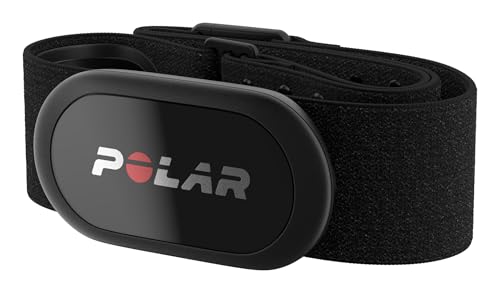
- Highly accurate heart rate sensor
- Bluetooth, ANT+, and 5 kHz connectivity
- Waterproof with up to 400-hour battery life
Best For: Accuracy-focused athletes needing broad compatibility
Best for Data-Driven Training

- Tracks heart rate, HRV, and running dynamics
- Records workouts without a watch
- Rechargeable battery lasts up to two months
Best For: Garmin-based performance and multisport training
Most Comfortable Armband

- Soft, breathable armband design
- Auto-wear detection and Bluetooth pairing
- Up to 38 hours of operation per charge
Best For: Workout users who prefer an armband over a chest strap
Best Long-Battery Garmin Strap

- Real-time heart rate and HRV data
- User-replaceable battery lasts up to one year
- Machine-washable strap with 3 ATM water rating
Best For: Garmin users wanting simple, low-maintenance tracking
Reliable Training Pick
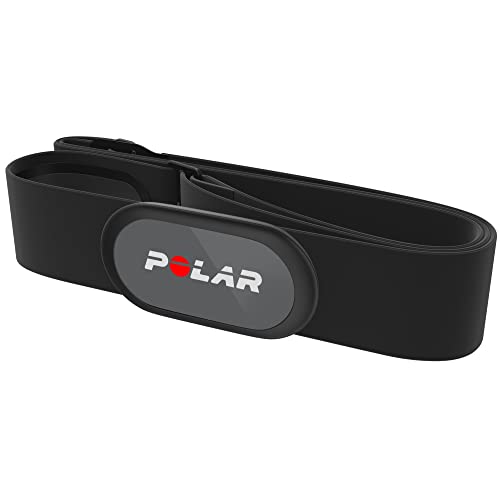
- High-accuracy chest-strap tracking
- Works with equipment and smartphone apps
- Up to 400 hours of battery life
Best For: Everyday workouts and app-based training
Detailed Rhythm Insights

- Six-lead EKG in 30 seconds
- Detects four listed heart rhythms
- No membership required
Best For: Portable personal EKG recordings
Connected Fitness Value
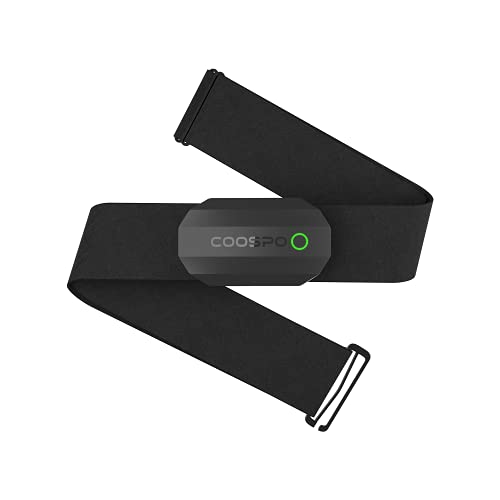
- Bluetooth and ANT+ connectivity
- ±1 BPM advertised accuracy
- Up to 300 hours of battery life
Best For: Multi-device fitness and indoor training
Reliable Fingertip Reading

- Measures pulse rate, pulse strength, and SpO2
- Large user-facing LED display
- Includes batteries, cover, and lanyard
Best For: Portable spot checks during sports and outdoor activities
Connected Training Pick
POWR LABS Bluetooth ANT+ Chest Strap
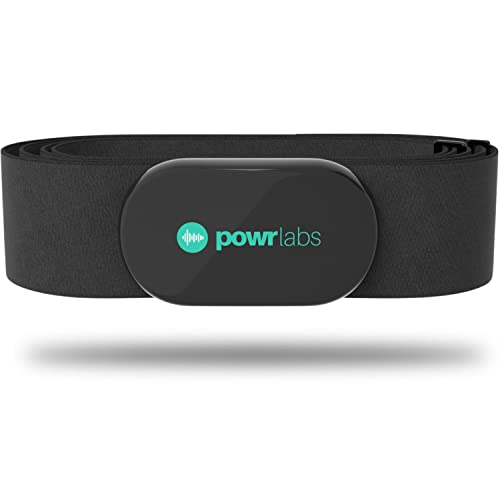
- Bluetooth and ANT+ support
- More than 400 hours of battery life
- Sweatproof, water-resistant chest-strap design
Best For: Connected cycling, running, and fitness workouts
Simple Everyday Checks
Fingertip Pulse Oximeter with OLED Screen

- Large OLED readout with signal-strength display
- One-button operation and auto power-off
- Includes batteries and carrying lanyard
Best For: Simple pulse and SpO2 checks at home or outdoors
Most Accurate Chest Strap – Polar H10
The Polar H10 is a strong choice for shoppers seeking highly accurate heart rate monitors for training, fitness equipment, and connected apps. Its chest strap supports Bluetooth, ANT+, and 5 kHz connections, while built-in memory and waterproof construction add flexibility for workouts.
Best For: Athletes who prioritize measurement accuracy and broad device compatibility.
Pros:
- Recognized for highly accurate heart rate measurement.
- Supports Bluetooth, ANT+, and 5 kHz connectivity, including simultaneous connections.
- Waterproof sensor with internal memory for multiple hours of data.
- Battery lasts up to 400 hours.
Cons:
- Chest-strap design may be less comfortable than an armband for some users.
- Uses a replaceable CR2025 button-cell battery rather than a rechargeable battery.
The Polar H10 stands out when accuracy and connection options matter most. It is especially practical for users who need a dependable sensor across several compatible devices.
Best for Data-Driven Training – Garmin HRM 600
The Garmin HRM 600 is one of the more advanced heart rate monitors for athletes who want heart rate, HRV, workout recording, and running metrics in the Garmin ecosystem. It can record activities without a watch and sync the results to Garmin Connect.
Best For: Garmin users and performance athletes who want detailed workout and running data.
Pros:
- Sends real-time heart rate and HRV data to compatible devices and apps.
- Provides running dynamics such as stride length and vertical oscillation with a compatible smartwatch.
- Records workouts when a watch cannot be worn and syncs data to Garmin Connect.
- Machine-washable strap with up to two months of rechargeable battery life.
Cons:
- Advanced running features require a compatible Garmin smartwatch.
- Shorter stated battery life than models using replaceable batteries.
Choose the HRM 600 if detailed Garmin training data is more important than simplicity. Its independent workout recording and swim-data support make it particularly versatile for multisport training.
Most Comfortable Armband – COROS Heart Rate Monitor
The COROS Heart Rate Monitor is an armband-style option for shoppers who find chest straps restrictive. Among heart rate monitors designed for sports use, it offers a soft, breathable fit, automatic wear detection, Bluetooth pairing with up to three devices, and quick sensor removal for cleaning.
Best For: Athletes who prefer an easy-to-wear armband for workout tracking.
Pros:
- Soft, breathable band designed to sit comfortably around the arm.
- Automatically powers on and connects when worn.
- Pairs with up to three devices simultaneously through Bluetooth.
- Provides 38 hours of operation or up to 80 days of standby time per charge.
Cons:
- Bluetooth only; it is not compatible with ANT+.
- Designed for sports and activities rather than daily heart rate tracking.
- USB charging cable is included, but a Type-C adapter is not.
The COROS model is a practical alternative to a traditional chest strap, especially for users who value comfort and simple wear detection. Confirm Bluetooth compatibility before buying if your equipment relies on ANT+.
Best Long-Battery Garmin Strap – Garmin HRM 200
The Garmin HRM 200 is a straightforward pick among heart rate monitors for Garmin watches, cycling computers, fitness equipment, and apps. It provides real-time heart rate and HRV data, uses a replaceable battery, and includes a machine-washable strap for routine training.
Best For: Garmin users who want dependable tracking with minimal battery maintenance.
Pros:
- Transmits real-time heart rate and HRV data to compatible devices.
- User-replaceable battery lasts up to one year.
- Machine-washable strap supports easier cleaning.
- 3 ATM water rating adds durability for regular workouts.
Cons:
- Its listed compatibility is centered on Garmin devices, fitness equipment, and apps.
- Does not include the added workout-recording and running-dynamics features listed for the HRM 600.
The HRM 200 makes sense for users who want core heart rate and HRV tracking without regularly recharging the sensor. Its long battery life and washable strap keep everyday ownership simple.
Reliable Training Pick – Polar H9 Heart Rate Sensor
Polar H9 Heart Rate Sensor – ANT + / Bluetooth - Waterproof HR Monitor with Soft Chest Strap, M-XXL
Check Price On AmazonThe Polar H9 is a practical choice among heart rate monitors for everyday workouts, offering high-accuracy chest-strap tracking and broad compatibility with heart-rate-compatible equipment and popular smartphone apps. Its included CR2025 battery is rated for up to 400 hours.
Best For: Everyday exercise, app-based training, and users who want a trusted chest-strap sensor without a built-in display.
Pros:
- Designed for high-accuracy heart-rate tracking.
- Works with heart-rate-compatible equipment and popular smartphone apps.
- Includes a soft strap and CR2025 battery.
- Offers an advertised battery life of up to 400 hours.
Cons:
- Does not provide an on-device display for viewing readings.
- Requires the correctly specified CR2025 battery.
- Fit is limited to the listed XS-S or M-XXL size ranges.
The Polar H9 focuses on dependable sensor performance and connectivity rather than extra features. It is a strong fit for buyers who already use compatible training equipment or smartphone apps.
Detailed Rhythm Insights – KardiaMobile 6L EKG
The KardiaMobile 6L is a smartphone-connected option for buyers seeking more detailed heart rhythm information than standard exercise heart rate monitors provide. It records a six-lead EKG in 30 seconds and can identify AFib, bradycardia, tachycardia, and normal sinus rhythm without a membership.
Best For: Users who want a portable, FDA-cleared personal EKG for recording and sharing heart rhythm results through a compatible smartphone or tablet.
Pros:
- Records a medical-grade, six-lead EKG in about 30 seconds.
- Detects four listed rhythm results: AFib, bradycardia, tachycardia, and normal sinus rhythm.
- Requires no subscription for recordings and listed detections.
- Compact 24-gram design works with most compatible smartphones and tablets.
Cons:
- Requires a compatible device and the Kardia app.
- Does not check for heart attacks or replace regular medical checkups.
- Not tested or recommended for people with pacemakers or ICDs.
This device is better suited to personal rhythm checks than workout tracking. Its six-lead format adds detail, but users should follow the supplied medical-use limitations and seek care for concerning symptoms or emergencies.
Connected Fitness Value – COOSPO H808S Chest Strap
The COOSPO H808S is a fitness-focused chest strap heart rate monitor for real-time training data. It supports both Bluetooth 4.0 and ANT+ connections, making it compatible with devices and apps such as sports watches, bike computers, Peloton, Strava, Zwift, and others listed by the manufacturer.
Best For: Cyclists, runners, and indoor-training users who need wireless heart rate data across multiple compatible devices or apps.
Pros:
- Uses dual Bluetooth and ANT+ wireless transmission.
- Advertised accuracy of ±1 BPM during exercise monitoring.
- Compatible with numerous third-party fitness apps and devices.
- IP67 waterproof rating and up to 300 hours of battery life.
Cons:
- The electrode zones should be moistened before use.
- Requires connection through the app rather than the phone’s standard Bluetooth menu.
- The strap is recommended for replacement after six months or 300 washes.
The H808S is a versatile training sensor when broad wireless compatibility matters. Its replaceable CR2032 battery and status light help with routine use, while the strap-care requirements add some maintenance.
Reliable Fingertip Reading – Zacurate 500 Series
For shoppers comparing heart rate monitors, the Zacurate 500 Series is a compact fingertip pulse oximeter that also measures blood oxygen saturation. It displays SpO2, pulse rate, and pulse strength in about 10 seconds, with readings shown on a user-facing LED screen.
Best For: Sports and health enthusiasts who want a portable pulse and oxygen monitor for activities such as biking, skiing, or mountain climbing.
Pros:
- Measures pulse rate, pulse strength, and SpO2 with an accuracy rating of +/-2%.
- Displays full SpO2 values up to 100% on a large LED screen.
- Includes batteries, a silicone protective cover, and a lanyard.
- Fits a wide range of finger sizes for users ages 12 and above.
Cons:
- It is a fingertip pulse oximeter rather than a continuous-wear chest strap.
- The stated battery life is approximately 30 hours.
- It is intended for users ages 12 and above.
The Zacurate is a practical choice when you want quick spot checks rather than workout-session tracking. Its included accessories and user-facing display make it convenient for portable use.
Connected Training Pick – POWR LABS Bluetooth ANT+ Chest Strap
Among heart rate monitors for connected training, the POWR LABS chest strap stands out for dual Bluetooth and ANT+ connectivity. It is designed to sync with Garmin, Wahoo, Polar, Peloton, smartphones, cycling computers, smartwatches, and more than 400 fitness apps.
Best For: Cyclists, runners, and gym users who need a comfortable chest strap with broad device compatibility and long battery life.
Pros:
- Supports both Bluetooth and ANT+ connections.
- Offers stated clinical accuracy of +/-1 BPM.
- Provides more than 400 hours of battery life with a replaceable battery included.
- Soft fabric strap adjusts for a 24–61-inch fit and is IPX67 sweatproof and water resistant.
Cons:
- The strap must be worn before pairing, according to the product notes.
- It does not include an on-device display, so compatible equipment or an app is needed to view data.
- The supplied details list different strap-fit measurements, so shoppers should verify sizing.
The POWR LABS monitor is the strongest option here for app-based training and multi-device use. Its chest-strap design, dual connectivity, and extended battery life suit regular workouts without frequent charging.
Simple Everyday Checks – Fingertip Pulse Oximeter with OLED Screen
If you want a straightforward alternative among heart rate monitors, this fingertip pulse oximeter provides pulse rate and blood oxygen readings through a bright OLED screen. One-button operation, automatic shutoff, and included batteries make it ready for quick checks at home or outdoors.
Best For: Adults and fitness or outdoor enthusiasts who prefer a compact monitor with large digits and simple controls.
Pros:
- Clearly displays SpO2, pulse rate, and signal strength.
- Waveform bar graph offers a visual indication of pulse strength.
- Compact design and one-button operation are convenient for travel and everyday use.
- Includes two AAA batteries, a lanyard, and an instruction manual.
Cons:
- It provides spot readings rather than continuous heart-rate tracking.
- The listed SpO2 measuring range is 70%–100%.
- Battery life is stated at approximately 30 hours.
This model is a good fit for buyers who value simplicity and readability over smartwatch or app connectivity. The OLED screen and portable design make it useful for quick checks during daily activities, workouts, and trips.
How We Picked the Best Heart Rate Monitors
We focused on how each device is designed to measure heart rate and where it fits best. Our comparison considered sensor type, workout responsiveness, connection options such as Bluetooth and ANT+, comfort, water resistance, battery expectations, setup, and compatibility with phones, watches, cycling computers, and fitness equipment.
We also separated training-oriented Heart Rate Monitors from devices that measure related health metrics. ECG products can provide a more detailed spot reading, while pulse oximeters estimate blood oxygen saturation and pulse from a fingertip. Those tools are not interchangeable with a continuous workout chest strap.
Quick Comparison
- Best overall training accuracy: Polar H10
- Best Garmin-compatible premium option: Garmin HRM 600
- Best for compact, simple workouts: COROS Heart Rate Monitor
- Best value from Garmin: Garmin HRM 200
- Best lower-cost Polar option: Polar H9
- Best for personal ECG spot checks: KardiaMobile 6L EKG
- Best for long battery life on a budget: COOSPO H808S
- Best fingertip oxygen monitor: Zacurate 500 Series
- Best affordable ANT+ and Bluetooth strap: POWR LABS
- Best basic OLED pulse oximeter: Fingertip Pulse Oximeter
Key Buying Factors for Heart Rate Monitors
Sensor Type and Accuracy
Chest straps generally capture rapid changes in heart rate more reliably than optical sensors, especially during intervals, cycling, and strength training. Fingertip pulse oximeters are better suited to brief spot checks, while a six-lead ECG device is intended for on-demand rhythm recordings rather than continuous exercise tracking.
Connectivity and Compatibility
Check whether your phone, watch, bike computer, treadmill, or training app supports Bluetooth, ANT+, or both. Dual-protocol straps offer the most flexibility. Also verify how many devices can connect simultaneously if you train with multiple screens.
Comfort, Fit, and Durability
A secure elastic strap should stay in place without restricting breathing. Look for adjustable sizing, soft contact materials, washable components, and water resistance if you sweat heavily or swim. Auto-wear detection can make daily use less tedious.
Battery and Maintenance
Consider replaceable versus rechargeable power, expected battery life, and how easy the sensor is to remove from the strap for cleaning. Long battery life is useful for frequent training, but a simple replaceable coin cell may be more convenient for occasional use.
Who Should Buy Which Heart Rate Monitors?
Dedicated runners, cyclists, and interval athletes should prioritize a responsive chest strap such as the Polar H10, Garmin HRM 600, or COROS model. Garmin users may prefer the HRM 200 or HRM 600 for straightforward ecosystem compatibility. Budget-focused athletes can consider Polar H9, COOSPO, or POWR LABS after confirming app and device support.
People seeking occasional heart-rhythm information should look at KardiaMobile 6L rather than a standard workout strap, while anyone checking blood oxygen and pulse should choose a pulse oximeter such as the Zacurate or OLED fingertip model. If you have concerning symptoms or abnormal readings, use these devices as informational tools and consult a qualified healthcare professional.
Related Posts: