The best lightweight fitness trackers make daily health data easier to collect without the bulk of a traditional smartwatch. This lineup includes screen-free bands, compact Fitbit models, subscription-based coaching, and budget-friendly watches.
Use the guide below to compare comfort, sensors, battery expectations, app requirements, and smart features before choosing the tracker that fits your routine.
Best 10 Lightweight Fitness Trackers Picks for 2026
GPS Training Companion
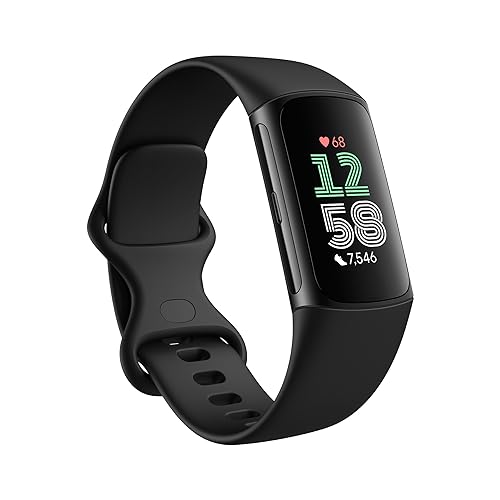
- Built-in GPS and 40+ exercise modes
- Tracks sleep, stress, heart rate, and readiness
- Google Maps, Wallet, and music controls
Best For: Active users wanting GPS and connected features
Screenless Recovery Coach

- Screenless, distraction-free wearable
- 14+ day battery life with included PowerPack
- Personalized sleep, strain, and recovery coaching
Best For: Performance-focused users who prefer app-based insights
Everyday Wellness Pick

- Up to 10 days of battery life
- Tracks activity, sleep, stress, and heart rate
- Includes 40+ exercise modes and smart wake
Best For: Beginners seeking simple everyday wellness tracking
Subscription-Free Screenless Band
FITVII Screenless Fitness Tracker

- Ultra-slim design with no display
- Core tracking includes sleep, HRV, and activity
- No subscription; S and L bands included
Best For: Users wanting discreet, subscription-free wellness tracking
Screen-Free Pick

- 5.07-gram screenless design for discreet all-day wear
- Tracks activity, sleep, heart rate, and selected wellness metrics
- Up to a week of battery life with fast charging
Best For: Minimalists who prefer phone-based fitness insights
Feature-Rich Display

- 1.47-inch touchscreen with 100-plus watch faces
- Tracks sleep, heart rate, blood oxygen, and activity
- Shows calls and messages with no subscription required
Best For: Users wanting notifications and workout data on the wrist
Phone-Free Simplicity

- Core tracking works without an app or phone connection
- Records steps, calories, sleep, heart rate, and active time
- Provides 5-to-7 days of battery life and IP68 water resistance
Best For: Beginners seeking straightforward, low-hassle tracking
Flexible Wellness Pick

- Tracks heart rate, blood pressure, SpO2, sleep, and daily activity
- 112 sports modes, notifications, reminders, and IP68 design
- Two bands, 200+ watch faces, and up to 7-day battery life
Best For: Adults wanting customizable wellness tracking and everyday smart features
Connected Workout Choice
1.83-Inch Bluetooth Calling Smartwatch

- 140+ sports modes with heart-rate and sleep monitoring
- Bluetooth calls, music control, and synced notifications
- Large 1.83-inch display, IP68 rating, and 5–7-day battery claim
Best For: Users seeking a large-screen fitness smartwatch with calling
Display-Focused Activity Pick

- 24/7 heart rate, blood pressure, SpO2, and sleep tracking
- 120+ exercise modes with steps, distance, and calorie monitoring
- 1.58-inch display, always-on clock, and 250+ watch faces
Best For: Users prioritizing visible tracking data and extensive wellness features
GPS Training Companion – Fitbit Charge 6
For shoppers comparing lightweight fitness trackers, the Fitbit Charge 6 combines a compact design with built-in GPS, extensive exercise tracking, sleep insights, and Google features. Its roughly seven-day battery life makes it practical for regular, all-day wear.
Best For: Active users who want built-in GPS, broad workout support, and smartwatch-style Google tools in a fitness tracker.
Pros:
- Built-in GPS and more than 40 exercise modes support varied training.
- Tracks heart rate, sleep, stress, Active Zone Minutes, and Daily Readiness.
- Supports Google Maps turn-by-turn directions, Google Wallet, and YouTube Music controls.
- Up to seven days of battery life and water resistance up to 50 meters.
Cons:
- Some additional coaching features require a separately sold Google Health Premium subscription.
- Built-in features and sensors may be more than casual users need.
The Charge 6 is a well-rounded choice when exercise features and connected conveniences matter as much as low-profile wearability. It is especially appealing for runners and multi-sport users who do not want to carry a phone for GPS tracking.
Screenless Recovery Coach – WHOOP 5.0 Activity Tracker
Among lightweight fitness trackers, WHOOP 5.0 stands out for its screenless, distraction-free approach. It focuses on continuous health data, personalized coaching, and sleep and recovery guidance, with a stated battery life of 14 or more days and a 12-month membership included.
Best For: Training-focused users who prefer detailed app-based recovery insights instead of an on-wrist display.
Pros:
- Screenless design avoids notifications and visual distractions.
- Tracks sleep, strain, recovery, VO2 max, stress, heart rate, and menstrual-cycle insights.
- WHOOP AI uses more than 140 metrics for personalized guidance.
- Includes a 12-month membership and a waterproof Wireless PowerPack.
Cons:
- No screen means data must be viewed through a compatible smartphone or tablet.
- Ongoing membership access is central to the product experience after the included 12-month term.
WHOOP 5.0 is less about quick step checks and more about understanding how habits affect training and recovery. Its screenless format and long battery life suit users who want to wear a tracker continuously without added distractions.
Everyday Wellness Pick – Fitbit Inspire 3
The Fitbit Inspire 3 is one of the more approachable lightweight fitness trackers for everyday activity, sleep, and wellness monitoring. Its slim minimalist design, included small and large bands, and up to 10-day battery life make it easy to wear throughout the week.
Best For: Beginners and everyday users who want simple activity, sleep, stress, and heart-rate tracking.
Pros:
- Tracks activity, heart rate, sleep, stress, blood oxygen, and menstrual health.
- Offers more than 40 exercise modes, automatic exercise tracking, and reminders to move.
- Includes a smart wake vibrating alarm and sleep mode.
- Works with compatible iOS and Android phones and is water resistant to 50 meters.
Cons:
- GPS is provided through a connected smartphone rather than built in.
- The smaller 0.76-inch display may feel limited for users wanting more on-device information.
Inspire 3 keeps the focus on core wellness features without the extra complexity of a larger smartwatch. Choose it if you value comfort, long battery life, and smartphone-connected tracking over standalone GPS.
Subscription-Free Screenless Band – FITVII Screenless Fitness Tracker
For shoppers seeking lightweight fitness trackers without a screen or subscription, the FITVII screenless band offers background wellness monitoring in an ultra-slim format. It tracks basic activity and health metrics through an app, supports Android and iOS phones, and includes both small and large adjustable bands.
Best For: Wellness-focused users who want a simple, screenless tracker with no monthly tracking fee.
Pros:
- Ultra-slim, screenless design minimizes bulk and distractions.
- Tracks heart rate, blood oxygen, HRV, sleep, steps, calories, distance, and stress.
- No subscription or hidden fees for core tracking features.
- Includes S and L bands and has IP68 waterproof protection.
Cons:
- Battery life is typically three to five days, or about one to three days with frequent sports-mode use.
- It has no display, so insights require the companion app.
- Not compatible with PCs or tablets, and its health readings are not intended for medical use.
The FITVII is a straightforward option for users who prioritize a discreet wearable and subscription-free access to core data. Its shorter battery life is the main trade-off for its slim, background-tracking design.
Screen-Free Pick – Fitbit Google Air
For shoppers seeking lightweight fitness trackers without a distracting display, the Fitbit Google Air focuses on comfortable, discreet wear and continuous health tracking. Its 5.07-gram design, screenless profile, week-long battery claim, and smartphone-based GPS make it especially suited to all-day and overnight use.
Best For: Minimalists who want unobtrusive activity, sleep, heart-rate, and wellness tracking.
Pros:
- Very light, screen-free design with a micro-adjustable fit for work, workouts, and sleep.
- Tracks heart rate, movement, skin-temperature variation, and SpO2-related metrics.
- Battery lasts up to a week, with up to one day of use from five minutes of charging.
- Water resistant to 50 meters and compatible with Android 11 or later and iOS 16.4 or later.
Cons:
- No onboard display; data and insights require the companion Google Health app.
- GPS is provided through a connected smartphone rather than built in.
- Some enhanced coaching features require a separately sold Google Health Premium subscription after the trial.
The Fitbit Google Air is a strong choice when comfort and low-profile tracking matter more than viewing stats on your wrist. Choose it if you are happy checking progress on your phone and want a tracker that can transition easily from daily wear to sleep.
Feature-Rich Display – FITVII Slim Fitness Tracker
The FITVII Slim is one of the more display-focused lightweight fitness trackers for shoppers who want health data and notifications visible from the wrist. Its 1.47-inch touchscreen, multiple sports modes, sleep analysis, and broad Android and iOS compatibility make it a versatile everyday option.
Best For: Users who want a slim fitness watch with on-wrist notifications, customizable faces, and varied activity tracking.
Pros:
- Monitors sleep, blood oxygen, heart rate, and blood-pressure trends through the watch and app.
- Supports activities including running, walking, cycling, basketball, climbing, yoga, and elliptical workouts.
- Displays calls, texts, and app notifications in real time.
- Offers more than 100 watch faces and does not require a subscription for its fitness features.
Cons:
- GPS works through a smartphone rather than being built into the tracker.
- Requires the FitCloudPro app and a compatible smartphone for the full feature set.
- Not compatible with PCs or tablets.
Choose the FITVII Slim if you want more than basic step counting and prefer to see notifications and metrics without reaching for your phone. It is particularly appealing for users who value customization and multiple workout profiles, provided they are comfortable using the companion app.
Phone-Free Simplicity – LIVIKEY Fitness Tracker Watch
This LIVIKEY watch suits shoppers who want lightweight fitness trackers with a straightforward setup and basic tracking available without an app or phone connection. It records steps, calories, distance, active time, heart rate, and sleep, while its 5-to-7-day battery range supports regular use between charges.
Best For: Beginners and users who want simple activity and sleep tracking without smartphone setup.
Pros:
- Can be used without an app or smartphone connection for a simpler experience.
- Tracks steps, calories, distance, active time, heart rate, and sleep.
- Includes nine sport modes plus alarms, a stopwatch, breathing guidance, and sedentary reminders.
- Offers 5-to-7 days of use after approximately two hours of charging and has an IP68 rating.
Cons:
- Its notification features require Bluetooth pairing with a compatible phone.
- It cannot make calls or send texts.
- GPS is smartphone-based, and the watch is not compatible with tablets or computers.
The LIVIKEY is a practical pick for users who prioritize simplicity over advanced smartwatch functions. Its phone-free core operation lowers the setup barrier, while Bluetooth adds notifications and app-connected features when you want them.
Flexible Wellness Pick – MorePro AIR2 Fitness Tracker
For shoppers comparing lightweight fitness trackers, the MorePro AIR2 combines everyday health monitoring, activity tracking, and smart notifications in a customizable design. It includes two bands, 112 sports modes, sleep insights, and up to seven days of battery life.
Best For: Adults who want broad health and activity tracking with interchangeable bands and practical daily reminders.
Pros:
- Tracks heart rate, blood pressure, blood oxygen, sleep stages, steps, distance, and calories.
- Offers 112 sports modes plus high heart rate, sedentary, and drink-water reminders.
- Includes silicone and nylon bands, 200+ watch faces, call and app notifications, and IP68 water resistance.
- Provides up to seven days of battery life and syncs with the FitCloudPro app.
Cons:
- GPS relies on a connected smartphone rather than being built into the watch.
- It is not a medical device.
- It is not compatible with iPads, tablets, or PCs.
The MorePro AIR2 is a versatile choice when customization and a wide range of wellness features matter more than standalone GPS. Its two-band setup and long stated battery life add everyday flexibility.
Connected Workout Choice – 1.83-Inch Bluetooth Calling Smartwatch
Among lightweight fitness trackers, this smartwatch stands out for its larger 1.83-inch display, Bluetooth calling, and broad sports support. It also combines heart-rate and sleep monitoring with notifications and a stated five- to seven-day daily-use battery range.
Best For: Users who want a fitness-focused smartwatch with Bluetooth calls, a large screen, and extensive sport modes.
Pros:
- Provides 140+ sports modes, heart-rate detection, sleep analysis, and step tracking.
- Supports Bluetooth calling, music control, and notifications for calls, texts, and supported social apps.
- Features a 1.83-inch 240×284 IPS display with customizable watch faces.
- IP68 water resistance and a 350mAh battery support workouts and extended daily wear.
Cons:
- Messages cannot be answered from the watch.
- GPS is provided through a connected smartphone.
- Actual battery life varies with individual usage.
This model is a practical pick for shoppers who prioritize screen visibility and wrist-based calling alongside fitness tracking. Its feature set is broad, though phone dependence remains important for GPS and connectivity.
Display-Focused Activity Pick – H32 Health Fitness Tracker
Fitness Tracker with Heart Rate Blood Oxygen Blood Pressure Monitor Sleep Tracker Activity Trackers
Check Price On AmazonThis H32 is one of the more feature-rich lightweight fitness trackers for users who want continuous wellness metrics and a bright, easy-to-use display. It tracks heart rate, blood pressure, blood oxygen, sleep, and daily activity while adding more than 120 exercise modes.
Best For: Users who want always-on time visibility, extensive health tracking, and phone-connected route mapping.
Pros:
- Offers 24/7 heart-rate, blood-pressure, and blood-oxygen monitoring plus sleep-stage tracking.
- Includes 120+ exercise modes and all-day step, distance, and calorie tracking.
- Features a 1.58-inch high-resolution display, always-on clock, touch controls, and a side button.
- Supports notifications, reminders, music control, weather, remote camera control, and 250+ watch faces.
Cons:
- Workout route mapping requires connection to the phone’s GPS.
- The supplied notes do not specify a battery-life duration.
- Health readings are for tracking purposes and should not be treated as medical measurements.
The H32 makes sense for shoppers who value visible information and a wide range of tracking tools. Its replaceable, washable strap and broad phone compatibility add convenience for regular daily wear.
How We Picked These Lightweight Fitness Trackers
We focused on wearables that are comfortable enough for extended use while covering the features most shoppers actually need: step counting, heart-rate tracking, sleep monitoring, workout modes, water resistance, and dependable companion apps. The selection spans established brands such as Fitbit and WHOOP as well as lower-cost alternatives with larger screens and broader feature lists.
We also considered how each device handles daily use. A tracker that requires a phone or paid membership may suit one buyer but frustrate another, so app dependence, subscription costs, display design, charging expectations, and phone compatibility are important parts of the comparison.
Quick Comparison
- Best all-around tracking: Google Fitbit Charge 6 offers a balanced mix of health metrics, exercise tools, and a readable display.
- Best for coaching: WHOOP 5.0/MG is designed around continuous recovery, sleep, and performance insights, but requires membership.
- Best discreet options: Fitbit Inspire 3, FITVII’s screenless tracker, and Fitbit Google Air suit shoppers who prefer minimal wrist hardware.
- Best for smartwatch features: The larger-screen models add notifications, calling, sport modes, and other everyday conveniences.
- Best for simple use: A no-app, no-phone tracker can be useful for basic steps and heart-rate information without account setup.
Key Buying Factors for Lightweight Fitness Trackers
Comfort, Size, and Display
Look for a slim profile, an adjustable band, and a weight you will barely notice during sleep or exercise. Screenless designs are typically less distracting, while display-equipped models make it easier to check steps or workout data without opening a phone.
Health and Activity Tracking
Decide which measurements matter most. Step counting and heart rate are common, but sleep stages, blood oxygen estimates, blood pressure features, GPS, recovery scores, and workout detection vary widely. Treat wellness readings as informational rather than medical diagnoses.
Battery, Charging, and Water Resistance
Longer battery life reduces interruptions, especially for sleep tracking. Confirm the charging method and expected runtime before buying. Water resistance is useful for sweat and rain, but verify whether a model is suitable for swimming rather than assuming every waterproof label means the same thing.
Apps, Compatibility, and Subscriptions
Check Android and iPhone support, required permissions, and whether core data is available without a phone nearby. Some advanced coaching and recovery features require a recurring membership, which should be included in the total ownership cost.
Who Should Buy Which Lightweight Fitness Trackers?
Choose Fitbit Charge 6 if you want a polished, versatile tracker with a screen and established app ecosystem. Inspire 3 or a screenless Fitbit-style device is a better fit for shoppers prioritizing low weight and quiet, unobtrusive wear. WHOOP is aimed at athletes and data-focused users who value coaching and recovery analysis enough to pay for a membership.
Budget buyers should compare the FITVII, MorePro, and basic tracker options carefully, especially for app quality and sensor expectations. Select one of the larger smartwatches if notifications, Bluetooth calls, many sport modes, or a more watch-like interface matter as much as health tracking.
Related Posts: