Cold-weather camping demands more than a thick-looking bag. The right choice combines a suitable temperature rating with effective insulation, a dependable hood and draft control, and enough room to sleep comfortably without creating cold spots.
We’ve selected 10 winter-ready sleeping bags for different priorities, including big-and-tall comfort, compact portability, family versatility, and protection for near-freezing or below-freezing nights. Use the guide below to narrow the list by conditions, fit, and camping style.
Best 10 Sleeping Bags for Cold Weather Picks for 2026
Warmth & Value Pick

- Roomy 7.2-foot design for taller sleepers
- Listed 5°F extreme rating with 450GSM fill
- Compression sack and machine-washable construction
Best For: Big-and-tall campers seeking a versatile cold-weather bag
Big-and-Tall Comfort Pick
Coleman Heritage 10°F Flannel Bag
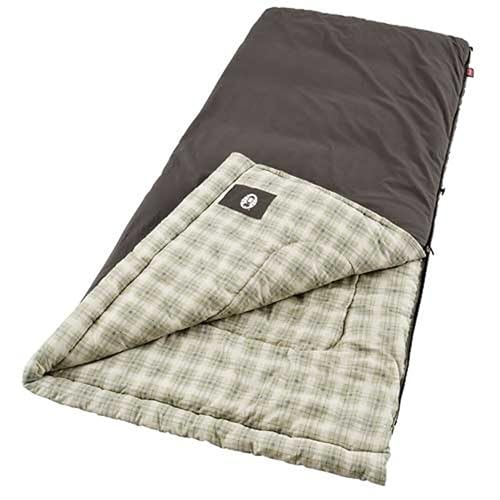
- 40-by-84-inch fit for campers up to 6'7"
- Five pounds of Holofill 808 insulation
- Machine washable with a five-year limited warranty
Best For: Tall car campers who prefer roomy flannel comfort
Roomiest Flannel Pick

- Extra-wide 90-by-39-inch rectangular design
- Soft 100% cotton flannel lining
- Two-way zipper and compression sack included
Best For: Tall and side-sleeping campers wanting extra space
Lightweight Versatility Pick

- Four-pound weight with compact compressed size
- Waterproof, breathable ripstop-style polyester shell
- Ventilating zippers and optional double-bag setup
Best For: Family and shoulder-season campers prioritizing portability
Best Extreme-Cold Mummy Bag

- 0°F rating for severe cold-weather camping
- Big-and-tall fit up to 6 ft. 2 in.
- Draft tube, hood, and no-snag zipper
Best For: Winter campers needing a dedicated 0°F mummy bag
Best Plush Roomy Bag
FARLAND Fleece-Lined Sleeping Bag

- Full microplush lining on every side
- Roomy 87-by-33-inch rectangular cut
- Two-way zipper and blanket conversion
Best For: Campers wanting soft, spacious warmth and versatile use
Best Versatile Semi-Rectangular Bag

- 400GSM hollow-fiber insulation
- Roomy shape for side sleepers
- Compression sack and machine-washable design
Best For: Car campers and families needing adaptable mild-winter warmth
Best Lightweight 3-Season Pick
MalloMe Compact Camping Sleeping Bag

- About 3 pounds with compression sack
- Waterproof shell and synthetic insulation
- Fits adults up to 6 feet
Best For: Backpacking and mild three-season camping
Best With Pillow
MEREZA 0-Degree Winter Sleeping Bag

- Roomy fit for campers up to 7 feet
- Includes a plush camping pillow
- Waterproof shell and adjustable foot zipper
Best For: Tall campers and comfortable car camping
Warmth & Value Pick – 0-Degree Winter Sleeping Bag
For shoppers comparing sleeping bags for cold weather, this roomy polyester option combines a listed 5°F extreme rating with a portable compression-sack design. Its 450GSM microfiber fill, wind buffer, and waterproof ripstop shell make it a practical choice for year-round camping, though temperature ratings vary by sleeper.
Best For: Big-and-tall campers who want a warm, machine-washable sleeping bag with a compact packed size.
Pros:
- Generous 7.2-foot length and 30.7-inch width fit users up to 6’10”.
- Temperature ratings are listed as 32°F comfort, 15°F limit, and 5°F extreme.
- Includes a compression sack and can be fully unzipped as a blanket.
- Machine washable with a waterproof, ripstop polyester shell.
Cons:
- At 5 pounds, it is heavier than many lightweight backpacking bags.
- The extreme temperature rating should not be treated as a comfort rating.
This is a versatile cold-weather bag for campers who prioritize space, washability, and value over ultralight carry weight.
Big-and-Tall Comfort Pick – Coleman Heritage 10°F Flannel Bag
The Coleman Heritage is a substantial option among sleeping bags for cold weather, with a 10°F temperature rating, five pounds of Holofill 808 insulation, and a cozy flannel liner. Its 40-by-84-inch rectangular shape favors spacious comfort over low pack weight.
Best For: Tall adults, car campers, hunters, and guest use where warmth and roomy flannel comfort matter more than compact packing.
Pros:
- Large 40-by-84-inch size accommodates campers up to 6’7″.
- Five pounds of Holofill 808 insulation are designed for cold conditions down to 10°F.
- Heavy-duty cotton cover and synthetic flannel liner provide a comfortable, durable feel.
- Machine washable and backed by a five-year limited warranty.
Cons:
- Its 8.9-pound weight and listed packed dimensions are bulky for backpacking.
- Designed for one person rather than couples or shared sleeping arrangements.
Choose this bag when a roomy bed-like feel, flannel lining, and established brand warranty outweigh portability concerns.
Roomiest Flannel Pick – HiZYNICE XXL Cold-Weather Bag
For cold-weather campers who dislike restrictive mummy bags, the HiZYNICE XXL provides a 90-by-39-inch rectangular sleeping area and a soft cotton flannel lining. Its listed ratings are 30°F comfort, 15°F limit, and 0°F extreme, with a draft tube to help reduce zipper-side heat loss.
Best For: Tall or side-sleeping adults who want extra room, a soft lining, and flexible zipper configurations.
Pros:
- Oversized 90-by-39-inch shape fits users up to 6’7″ and allows more movement.
- 100% cotton flannel lining adds a soft, cozy sleeping surface.
- Two-way, snag-resistant zipper can provide ventilation or open the bag into a blanket.
- Includes a compression sack and has a water-resistant outer shell.
Cons:
- The product details list a 30°F comfort rating, so the 0°F extreme rating is not a comfort expectation.
- At 7 pounds, it is better suited to car camping than weight-conscious backpacking.
This is a strong comfort-first choice for spacious three-season-to-cold-weather use, especially when flannel softness and zipper versatility are priorities.
Lightweight Versatility Pick – Waterproof 3-4 Season Bag
This lightweight option offers a practical balance for shoppers seeking sleeping bags for cold weather without the bulk of heavier winter models. It weighs 4 pounds, packs down to roughly 11 to 14.2 inches, and lists a 41°F comfort rating, 32°F limit, and 23°F extreme rating.
Best For: Family camping, class trips, and mild-to-moderate cold-weather outings where portability and flexible ventilation are useful.
Pros:
- Four-pound pack weight and compressed dimensions support easier transport.
- Waterproof, breathable 210T anti-tearing polyester shell helps protect against the elements.
- Foot zipper and side zippers allow ventilation and seasonal adjustment.
- Compatible bags can be zipped together into a larger double sleeping bag.
Cons:
- Its 41°F comfort rating is warmer-weather oriented than the ratings of the winter-focused bags above.
- The supplied notes do not identify a compression sack as an included accessory.
- The 23°F extreme rating is a survival reference, not a comfortable sleeping temperature.
This bag is the more portable, adaptable pick for shoulder-season camping and group use, but colder winter trips call for a warmer-rated model.
Best Extreme-Cold Mummy Bag – Coleman North Rim 0°F
For shoppers comparing sleeping bags for cold weather, the Coleman North Rim is the most clearly winter-focused option here. Its 0°F rating, mummy shape, Thermolock draft tube, hollow-polyester insulation, and adjustable hood are designed to help retain warmth during cold-weather camping.
Best For: Campers who want a dedicated 0°F sleeping bag with a big-and-tall fit for users up to 6 feet 2 inches.
Pros:
- 0°F temperature rating for severe cold-weather use.
- Big-and-tall design measures 82 by 32 inches and fits users up to 74 inches tall.
- Thermolock draft tube, adjustable hood, and no-snag zipper support warmth and usability.
- Machine washable and backed by a 5-year limited warranty.
Cons:
- Mummy construction offers less room to move than a rectangular bag.
- Its large size may be less convenient for compact backpacking loads.
The North Rim stands out when low-temperature performance is the priority. Choose it over the roomier alternatives if you value a 0°F rating and draft-blocking features more than maximum sleeping space.
Best Plush Roomy Bag – FARLAND Fleece-Lined Sleeping Bag
The FARLAND is a practical pick among sleeping bags for cold weather when interior comfort and space matter. Its full microplush lining, 400g warmth fill, windproof and waterproof features, and roomy rectangular shape make it suitable for fall, winter, and spring use.
Best For: Adults and teenagers who prefer a soft, spacious rectangular bag for camping, car emergencies, indoor use, or overnight guests.
Pros:
- Full plush lining covers the back, sides, and foot area for an immediately warm feel.
- Roomy 87-by-33-inch rectangular design allows stretching, turning, and curling up.
- Two-way snag-resistant zipper can open from either end and the bag unzips into a blanket.
- Includes a compression sack and lists waterproof and windproof features.
Cons:
- Its listed 10–50°F range is less cold-rated than the Coleman 0°F option.
- At 2.83 kg, it may be less appealing for weight-conscious backpacking.
Choose the FARLAND when plush comfort and freedom of movement are more important than a close-fitting mummy design. It is especially versatile for car camping and backup warmth around the home.
Best Versatile Semi-Rectangular Bag – 0-Degree Camping Sleeping Bag
This semi-rectangular model is a flexible choice for shoppers seeking sleeping bags for cold weather, particularly for spring, fall, and mild-winter camping. It combines 400GSM hollow-fiber insulation with a 290T polyester taffeta shell, an adjustable hood, draft tubes, and a compression sack.
Best For: Car campers, families, and side sleepers who want a roomy bag that can also zip together with a compatible opposite-side model.
Pros:
- 400GSM hollow-fiber insulation provides a thicker fill than the 250–300GSM amount cited in the notes.
- Generous 87-by-33-inch semi-rectangular shape supports comfortable movement.
- Adjustable hood, anti-snag zipper, and draft tubes help reduce heat loss.
- Compression sack, machine-washable construction, and reversible zipper add versatility.
Cons:
- The listed 32°F limit rating makes it better suited to mild winter than extreme cold.
- Its 4.2-pound pack weight may be relatively heavy for long backpacking trips.
This bag balances warmth, room, and family-friendly features. It is a strong option for road trips and general camping, but shoppers expecting sustained sub-freezing conditions should consider a colder-rated design.
Best Roomy Flannel Option – Oversized Winter Flannel Sleeping Bag
For shoppers comparing sleeping bags for cold weather, this oversized flannel model prioritizes space and comfort. Its 92-by-35-inch envelope shape accommodates taller campers and side sleepers, while the flannel lining, high-loft polyester fill, draft tube, and hood support warmth in cool-weather conditions.
Best For: Big and tall adults, side sleepers, and campers who want a roomy, machine-washable sleeping bag for spring, fall, or cool summer trips.
Pros:
- Extra-large 92-by-35-inch design provides generous room to stretch and turn.
- Flannel lining, high-loft fill, hood, collar, and draft tube help retain warmth.
- Two-way zipper, comforter conversion, compression sack, and machine-washable construction add versatility.
Cons:
- At 5.7 pounds, it is heavier than many ultralight backpacking bags.
- The listed comfort range is 32°F to 43°F, with a 20°F limit rating, so conditions should be matched carefully.
This is a practical choice when sleeping space and easy care matter more than minimum pack weight. The roomy cut and comfort-focused features make it especially appealing for car camping, festivals, sleepovers, and larger sleepers.
Best Lightweight 3-Season Pick – MalloMe Compact Camping Sleeping Bag
If you need sleeping bags for cold weather that remain easy to carry, the MalloMe offers a lightweight 3-season design. It weighs about 3 pounds, fits adults up to 6 feet, and combines a waterproof outer shell with synthetic insulation for temperatures listed around 50°F to 80°F.
Best For: Backpackers, hikers, families, and campers seeking a compact bag for spring, summer, fall, and mild cool-weather use.
Pros:
- Lightweight design and included compression sack make it convenient for hiking and backpacking.
- Waterproof outer shell and double-layered S-shaped stitching provide practical weather protection.
- Snag-free double-sided zippers, headrest drawstrings, and a securing strap improve usability.
Cons:
- Its 50°F to 80°F comfort range is not intended for freezing or severe winter conditions.
- The listed maximum height recommendation is up to 6 feet, offering less room than oversized models.
This bag is better suited to mild cold-weather camping than true winter expeditions. Its lower weight, compact storage, and easy-clean shell make it a convenient general-purpose option for three-season outings.
Best With Pillow – MEREZA 0-Degree Winter Sleeping Bag
Among sleeping bags for cold weather, the MEREZA stands out for its roomy rectangular shape and integrated sleep-comfort features. It measures 90.5 by 32.3 inches, fits campers up to 7 feet, and uses a waterproof, windproof polyester shell, thick hollow-cotton fill, hood, draft tubes, and an included camping pillow.
Best For: Tall campers and car campers who want extra interior space, a pillow included, and a bag rated for comfort around 40°F.
Pros:
- Large rectangular design provides room for users up to 7 feet tall.
- Waterproof, windproof shell, contoured hood, draft tubes, and thick fill support warmth.
- Included plush pillow, foot ventilation zipper, blanket conversion, and compression sack add versatility.
Cons:
- At roughly 5.7 to 6.6 pounds according to the supplied specifications, it is relatively heavy for backpacking.
- The listed comfort temperature is 40°F, so it may not suit genuinely subfreezing conditions despite the 0-degree product title.
This model makes the most sense for spacious car-camping comfort rather than weight-sensitive trips. Its tall fit, pillow, weather-resistant shell, and adjustable ventilation provide a convenient setup for cool-weather outdoor stays.
How We Picked the Best Sleeping Bags for Cold Weather
We evaluated these sleeping bags by focusing on the features that matter most when temperatures drop: stated temperature ratings, insulation and lining materials, hood and draft protection, zipper design, usable space, portability, and cleaning convenience. We also considered the different ways people camp. A roomy flannel bag can be appealing for car camping, while a lighter mummy-style design is generally more practical for backpacking.
Temperature ratings are useful comparison points, but they are not guarantees of comfort for every sleeper. Your clothing, sleeping pad, shelter, wind exposure, humidity, and personal tolerance all affect warmth. For the safest choice, select a bag rated below the lowest temperature you expect to encounter.
Quick Comparison
| Best For | Look For |
|---|---|
| Below-freezing camping | 0°F-class rating, hood, draft tube, and insulated construction |
| Big and tall sleepers | XL dimensions, generous shoulder room, and a longer cut |
| Backpacking | Lower packed weight, compact compression, and a mummy shape |
| Families and kids | Manageable size, soft lining, easy zipper operation, and versatile ratings |
| Car camping | Roomy rectangular design, flannel comfort, and machine-washable materials |
Key Buying Factors for Sleeping Bags for Cold Weather
Temperature Rating
Choose a rating based on the lowest overnight temperature, not the average forecast. A 0°F bag is designed for substantially colder conditions than a 10°F model, but check whether the listing provides separate comfort and lower-limit ratings.
Shape, Fit, and Insulation
Mummy bags usually retain heat efficiently because they reduce empty air space and often include a hood. Rectangular and oversized bags provide more room to turn and may feel better for larger sleepers, but they can require more energy to warm. Synthetic insulation is typically affordable, moisture-tolerant, and easier to maintain; fleece or flannel linings add softness but may increase bulk.
Draft Protection and Weather Resistance
Prioritize an adjustable hood, a draft collar or tube, a well-sealed zipper, and a shell that resists light moisture. A sleeping bag should be paired with an insulated sleeping pad because ground contact can drain body heat quickly.
Weight, Packed Size, and Care
For backpacking, compare packed dimensions and weight rather than relying on the product name. For vehicle camping, comfort and washability may matter more. Confirm that the bag fits your height and that its cleaning instructions suit your storage and maintenance routine.
Who Should Buy Which Sleeping Bags for Cold Weather?
Choose a 0°F-rated winter bag if you regularly camp in freezing or subfreezing weather and want a larger safety margin. Big-and-tall sleepers should prioritize XL or extended-length designs rather than forcing themselves into a narrow mummy cut. Families and occasional campers may prefer versatile, softer-lined models that are easier to use and clean. Backpackers should favor the lightest suitable option with a compact packed size, while car campers can reasonably trade extra weight for a roomier shape and warmer lining.
Related Posts:

