The best weightlifting belts under $100 can help you brace more consistently during squats, deadlifts, presses, and other demanding lifts without stretching your equipment budget.
This roundup compares practical options across leather, nylon, lever, and auto-lock designs, with attention to fit, support, adjustability, comfort, and everyday gym use.
Best 10 Weightlifting Belts Under 100 Picks for 2026
Leather Support Pick
Genuine Leather Weightlifting Belt

- Double-sided leather with reinforced stitching
- Suede lining for added comfort
- Wide 6-inch support profile
Best For: Lifters wanting padded leather support
Classic Nylon Choice
Harbinger 4-Inch Nylon Weightlifting Belt

- Flexible heavy-duty nylon web
- Steel roller buckle for easy tensioning
- Extra-wide support strap
Best For: Everyday training and heavier lifts
Quick-Lock Performance Pick

- Full-metal self-locking buckle
- Infinitely adjustable nylon design
- Folds easily for gym-bag storage
Best For: Olympic lifting and fast adjustments
Lightweight Leather Pick
Gymreapers Leather Weightlifting Belt

- Real reinforced leather construction
- Lightweight 4-inch form-fitting design
- Adjustable metal buckle with multiple holes
Best For: Compact leather support for gym training
Best Adjustable Pick
RitFit 6-Inch Weight Lifting Belt

- Six-inch contoured support
- Quick hook-and-loop adjustment
- Available in S–XXL sizes
Best For: Versatile support for squats, deadlifts, and general strength training
Best Lever-Buckle Option
10mm Leather Powerlifting Belt

- Stretch-resistant leather construction
- Fast-locking lever buckle
- Four-inch powerlifting profile
Best For: Heavy squats, deadlifts, and powerlifting-focused training
Best Traditional Leather Value
RDX Cowhide Weight Lifting Belt

- Seven-millimeter cowhide leather
- Four- or six-inch back options
- Ten-hole dual-prong adjustment
Best For: Adjustable leather support for strength and cross-training workouts
Heavy-Lift Lever Support

- 10mm leather with 4-inch back support
- Quick-release lever buckle
- Made for heavy squats and deadlifts
Best For: Powerlifting and heavy compound lifts
Lightweight Everyday Support
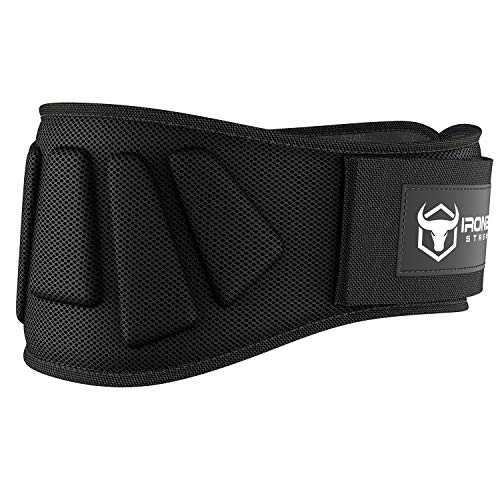
- Contoured 6-inch support design
- Breathable neoprene and mesh construction
- Auto-lock roller buckle
Best For: Fitness, cross-training, and mobile workouts
Contoured Training Stability

- Padded 6.5-inch back support
- Contoured fit for movement
- Auto-lock buckle with hook-and-loop strap
Best For: Strength training and padded lumbar support
Leather Support Pick – Genuine Leather Weightlifting Belt
For shoppers comparing weightlifting belts under 100, this genuine leather model emphasizes sturdy construction, cushioning, and adjustable sizing. Its suede lining, reinforced stitching, and 7-millimeter thickness are designed for regular weightlifting, cross-training, and strength workouts.
Best For: Lifters who want a traditional leather belt with padded comfort and broad back support.
Pros:
- Double-sided leather construction with reinforced top stitching.
- Suede lining adds padding and helps improve comfort against the skin.
- Wide 6-inch design provides support around the lower back and abdomen.
- Available across multiple waist ranges from S through XXL.
Cons:
- Sizing requires measuring your true waist rather than relying on pant size.
- The leather construction may be less flexible than a nylon belt.
This is a practical choice if durable leather, cushioning, and a substantial support profile matter more to you than a lightweight design. Measure around your lower back and over your belly button before ordering.
Classic Nylon Choice – Harbinger 4-Inch Nylon Weightlifting Belt
Among weightlifting belts under 100, the Harbinger 4-Inch Nylon Weightlifting Belt is a straightforward option for lifters who prefer flexible webbing. It combines a 4-inch belt body, a wider support strap, a steel roller buckle, and extensive nylon stitching.
Best For: Lifters seeking a flexible nylon belt for heavier lifts and regular gym training.
Pros:
- Heavy-duty nylon web is designed for comfort and durability.
- Extra-wide 3-inch support strap helps support the lower back and abdominals.
- Steel roller buckle makes tensioning simple.
- Available in four waist sizes from S through XL.
Cons:
- It has a 90-day workmanship and materials warranty.
- Size selection depends on measuring your waist accurately.
The Harbinger is a sensible everyday belt for users who want nylon flexibility, a roller buckle, and a conventional support shape without moving to a heavier leather design.
Quick-Lock Performance Pick – Element 26 Self-Locking Belt
For weightlifting belts under 100 that prioritize fast adjustments, the Element 26 Self-Locking Weight Lifting Belt uses a full-metal self-locking buckle and quick-release roller. Its 4-inch nylon profile is designed to provide consistent pressure during squats, deadlifts, cleans, snatches, and jerks.
Best For: Olympic lifters, functional fitness athletes, and users who want quick, precise belt adjustments.
Pros:
- Self-locking metal buckle engages under load and releases quickly.
- Infinitely adjustable design allows precise pressure control.
- Breathable nylon can be hand washed and air dried.
- Folds for convenient storage in a gym bag.
Cons:
- The straight 4-inch profile may not suit users seeking a contoured belt.
- Hook-and-loop closure may appeal less to lifters who prefer a traditional buckle.
This belt stands out for its quick-lock mechanism and competition-oriented design. It is especially useful when you want to change tension or remove the belt efficiently between sets.
Lightweight Leather Pick – Gymreapers Leather Weightlifting Belt
Among weightlifting belts under 100, the Gymreapers Leather Weightlifting Belt combines real leather construction with a lightweight, form-fitting design. Its 4-inch width, metal buckle, reinforced stitching, and multiple adjustment holes are intended for squatting, bodybuilding, and general strength training.
Best For: Men and women who want a compact leather belt with adjustable buckle sizing.
Pros:
- Made from real reinforced leather with durable stitching.
- Lightweight 1.5-pound construction is designed to feel less bulky.
- Four-inch width supports the back, spine, and core.
- Rolls up for compact storage in a gym bag.
Cons:
- Leather may offer less flexibility than nylon alternatives.
- Accurate buckle-hole selection is important for a secure fit.
This is a strong fit for lifters who want the feel of real leather without an especially bulky belt. Its adjustable buckle and rollable construction also make it convenient for regular gym use.
Best Adjustable Pick – RitFit 6-Inch Weight Lifting Belt
If you’re comparing weightlifting belts under 100, the RitFit 6-inch belt is a practical option for lifters who want broad lumbar coverage, quick adjustment, and a comfortable fit for squats, deadlifts, and other strength exercises. Its hook-and-loop closure and stainless steel buckle make tightening or loosening it straightforward during training.
Best For: Men and women seeking versatile, padded support with fast, easy adjustments.
Pros:
- Six-inch contoured design supports the back, abs, and core.
- Reinforced tricot construction is designed for comfort and durability.
- Hook-and-loop closure and stainless steel buckle allow quick fitting changes.
- Available in multiple colors and sizes from S through XXL.
Cons:
- The broad six-inch profile may feel more substantial than a narrower belt.
- Correct sizing is important; the listed L size fits a 36- to 44-inch waist.
Choose this RitFit model if you prioritize full-width support and convenience over a traditional leather powerlifting design. Its satisfaction guarantee also adds reassurance when selecting among weightlifting belts under 100.
Best Lever-Buckle Option – 10mm Leather Powerlifting Belt
Among weightlifting belts under 100, this 10mm leather lever belt is aimed at lifters who want firm, consistent support for heavy squats and deadlifts. Its four-inch width distributes pressure across the torso, while the lever buckle is designed to lock quickly and provide a precise fit.
Best For: Powerlifters who prefer a sturdy leather belt and fast lever-buckle closure.
Pros:
- Premium leather and suede lining are designed to resist stretching.
- Ten-millimeter thickness provides substantial support for heavy lifting.
- Lever buckle snaps shut quickly for a secure, repeatable fit.
- Four-inch width supports the abs and lower back evenly.
Cons:
- The heavy leather construction weighs about 3.9 pounds.
- A lever closure may be less convenient to adjust repeatedly between sets than a hook-and-loop design.
- Users need to measure their true waist rather than relying on pants size.
This belt makes the most sense for dedicated heavy lifting where stable bracing matters more than low weight. Check the manufacturer’s sizing chart carefully before ordering, since the supplied listing identifies this model as medium with a 35-inch waist.
Best Traditional Leather Value – RDX Cowhide Weight Lifting Belt
For shoppers comparing weightlifting belts under 100, the RDX cowhide leather belt offers traditional buckle adjustment, a suede inner surface, and a choice of four- or six-inch back support. Its 10-hole, dual-prong roller buckle lets you fine-tune the fit for deadlifts, squats, Olympic lifting, and cross-training.
Best For: Lifters who want durable cowhide leather, multiple adjustment holes, and selectable lumbar coverage.
Pros:
- Seven-millimeter cowhide leather is designed for durability and pressure management.
- Available with either a four-inch or six-inch padded back.
- Ten precision-drilled holes provide flexible adjustment.
- Suede lining and a leather buckle flap help improve wearing comfort.
Cons:
- The dual-prong buckle takes more manual adjustment than a lever closure.
- Accurate measuring is essential because pant size should not be used.
- The supplied listing’s size ranges are relatively specific, so users between sizes should choose the upper size.
The RDX is a strong fit if you value a traditional leather belt with broad sizing and configurable back width. Measure around the lower back and across the belly button before selecting a size to avoid an incorrect fit.
Heavy-Lift Lever Support – 10mm Leather Lever Belt
For shoppers comparing weightlifting belts under 100, this 10mm leather lever belt is built for heavy compound lifts. Its quick-release buckle, 4-inch back support, and pre-broken leather construction focus on stability, durability, and convenient fit adjustments.
Best For: Powerlifting, heavy squats, deadlifts, and lifters who prefer a leather lever belt.
Pros:
- 10mm leather construction with 4-inch vertical back support.
- Lever mechanism allows fast tightening and release.
- Designed for powerlifting and other heavy compound movements.
- Includes stated one-year free replacement warranty and lifetime customer support.
Cons:
- Leather construction may be less flexible than a lightweight nylon belt.
- The supplied size is Small, listed for a 26–32-inch waist; confirm sizing before ordering.
This is the most strength-focused option in the group, pairing substantial leather support with quick lever adjustments. Choose it if rigid lumbar and core support matter more than maximum flexibility.
Lightweight Everyday Support – 6-Inch Auto-Lock Nylon Belt
Among weightlifting belts under 100, this nylon and neoprene model emphasizes comfortable support and easy movement. The contoured shape, breathable mesh fabric, and auto-lock roller buckle make it a practical choice for varied gym and cross-training sessions.
Best For: Fitness training, cross-training, and lifters who want breathable support with flexible movement.
Pros:
- Reinforced 6-inch back area with a 4-inch Velcro strap.
- Contoured design supports the back and abdomen while tapering at the sides.
- Auto-lock roller buckle is designed to stay secured under pressure.
- Neoprene and mesh construction is described as lightweight and breathable.
Cons:
- Soft synthetic construction may provide less rigidity than a thick leather lever belt.
- Accurate waist measurement is essential; the listed medium has a 30-inch waist size.
This belt suits users who value comfort and mobility during mixed workouts. Its anatomical shape and fabric construction make it a versatile alternative to more rigid powerlifting belts.
Contoured Training Stability – RDX 6.5-Inch Auto-Lock Belt
For weightlifting belts under 100 that balance structured support with workout mobility, the RDX RX3 uses a contoured profile and padded 6.5-inch back section. Its tension-based auto-lock closure and hook-and-loop strap are designed for dependable positioning during strength training.
Best For: Gym strength training, bodybuilding, deadlifts, squats, and users seeking padded lumbar support.
Pros:
- 6.5-inch padded back support uses layered fabric and foam materials.
- Contoured design follows the body while allowing movement.
- Auto-lock roller buckle and long hook-and-loop strap help prevent accidental opening.
- Polyester and nylon construction is designed for repeated training sessions.
Cons:
- The wider padded back may feel bulkier than a narrower flexible belt.
- Choose from the size chart rather than pants size; the supplied listing identifies size M with a 35-inch waist.
The RDX is a strong middle ground for lifters who want more padded back coverage than a minimalist belt without moving to a rigid leather design. Its closure system is particularly useful for users concerned about belt stability during demanding sets.
How We Picked the Best Weightlifting Belts Under 100
We focused on belts that offer useful support for strength training while staying below the $100 price point. The selection includes traditional leather belts, flexible nylon models, lever belts, and quick-adjust auto-lock designs so different lifters can find a suitable match.
Our comparison emphasizes construction, closure security, back-panel shape, sizing flexibility, padding, and likely use cases. Because belt preferences vary considerably, we considered both heavy powerlifting sessions and general gym workouts rather than treating one style as universally best.
Quick Comparison
| Belt type | Best for | Main advantage | Potential trade-off |
|---|---|---|---|
| Leather buckle | Traditional strength training | Firm support and durability | Slower to adjust |
| Nylon | General gym training | Lightweight flexibility | Less rigid than leather |
| Lever | Consistent heavy lifting | Fast, secure closure | Less convenient for changing sizes |
| Auto-lock | Convenient adjustment | Quick on-and-off operation | Mechanism adds complexity |
Key Buying Factors for Weightlifting Belts Under $100
Material and Stiffness
Leather generally provides a firmer, more structured feel and can become more comfortable with use. Nylon is lighter and usually more forgiving, making it a practical choice for mixed workouts or beginners. Thick, rigid belts may offer stronger bracing but can feel restrictive during exercises that require more torso movement.
Width and Back Support
Six-inch belts provide substantial coverage for many squat and deadlift users, while four-inch designs may feel less bulky and more versatile. Check whether the listed width applies across the entire belt or only to the rear support panel.
Closure and Adjustability
Traditional prong buckles offer dependable adjustment across multiple holes. Lever belts are quick and secure once fitted, but changing the setting may take more effort. Auto-lock systems are convenient when several users share a belt or when you want fast adjustments between sets.
Fit and Sizing
Measure around your midsection where the belt will sit, then compare that measurement with the manufacturer’s chart. Do not choose a size based solely on your pants size. A belt should fit snugly enough to support bracing without causing pain, numbness, or restricted breathing.
Who Should Buy Which Weightlifting Belts Under 100?
- Choose nylon if you want a lightweight, flexible belt for general fitness, machine work, and varied training.
- Choose leather with a prong buckle if you prefer traditional construction, broad adjustability, and a firm feel.
- Choose a lever belt if you regularly perform heavy, consistent lifts and value fast, repeatable tightening.
- Choose an auto-lock belt if convenience, quick adjustments, or shared-gym use matters most.
- Choose a wider padded design if you prioritize lumbar coverage and do not mind a bulkier feel.
Whichever style you select, introduce it gradually and use it as a bracing aid rather than a substitute for sound lifting technique, appropriate load selection, and proper coaching.
Related Posts: